Viral Now: The Entertainment Moments Everyone’s Obsessing Over in 2025
The internet doesn’t “have” a main character anymore—every week is a new season, and your feed is the trailer. From fan-made crossovers that out-hype studio promos to AI-powered clips that feel more real than reality TV, entertainment in 2025 is moving at FYP-speed. If you blink, you miss a whole micro-era.
Here’s your fast-pass to the biggest viral entertainment waves breaking right now—and why they’re taking over your timeline.
Fandom Mashups: When Audiences Become the Studio
Studios are still dropping big-budget trailers, but the edits fans are making? Those are the ones actually going viral.
Across TikTok, X, and Instagram Reels, fan-created mashups—like fake trailers that combine different universes, “what if” storylines, or ship edits—are pulling in millions of views and shaping how people feel about movies and shows. A fan-made crossover trailer between franchises can rack up more hype than official marketing, with users commenting things like, “Why isn’t THIS the real movie?”
This trend is powered by easy-access editing apps and a fandom culture that no longer wants to stay passive. Instead of waiting for studios to confirm spin-offs or crossovers, fans are storyboarding their own worlds, complete with custom logos, sound design, and cinematic color grading. That energy then feeds back into real Hollywood—producers openly watch for which pairings, characters, or concepts trend the hardest.
Fandom mashups are basically the internet’s R&D lab: if a fake trailer or edit hits hundreds of thousands of saves and shares, it’s a live focus group screaming, “We’d watch this.”
AI Remixes: When Algorithms Get a Starring Role
Love it or hate it, AI-driven content has fully entered the entertainment chat.
From AI covers that make classic divas sing new-gen hits, to fan-made “unreleased” songs that sound scarily like real artists, AI audio and video tools are turning casual users into full-on producers. Clips of AI-generated performances—like a legendary artist “singing” a trending track or an actor “aged up” or “aged down” for fantasy scenarios—spread insanely fast because they sit right in that uncanny zone between “wow” and “no way.”
This isn’t just a meme thing; it’s changing the industry. Music platforms and labels are setting rules for AI tracks, and some artists are experimenting publicly with AI-assisted songs and visuals, using it as a creative tool instead of pretending it doesn’t exist. Fans, meanwhile, are using AI to “fix” scenes, redesign costumes, or imagine alternate endings to their favorite shows.
The big reason this sticks: AI remixes let the internet collectively ask, “What if…?” at scale. It blurs the line between official and fan-made, turning the comment section into an ongoing debate about creativity, consent, and what counts as “real” entertainment.
Live Reaction Culture: Watching the Watchers
The hottest show right now might actually be… people reacting to shows.
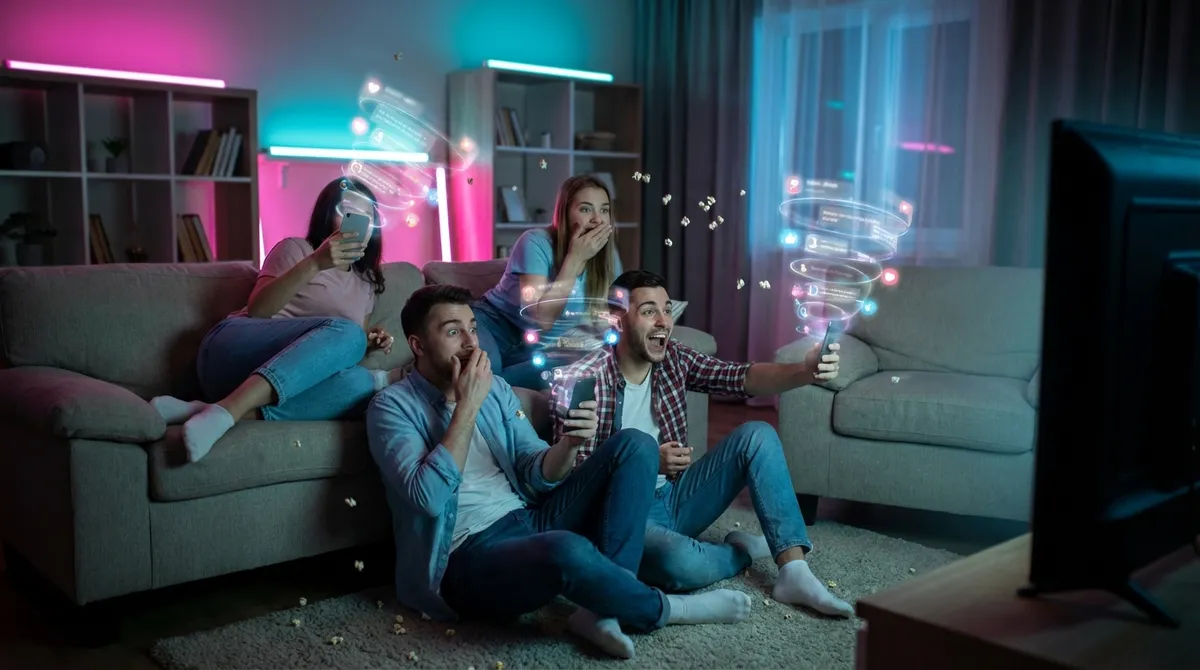
Reaction content has leveled up from simple face-cam shock moments to full-blown “co-watch” experiences. Fans binge an entire series through their favorite reactors—following their emotional arcs, pausing for breakdowns, and flooding the comments with their own theories. Big plot twists, finales, and surprise cameos trend twice: once when they air, and again when a viral reactor finally hits that episode.
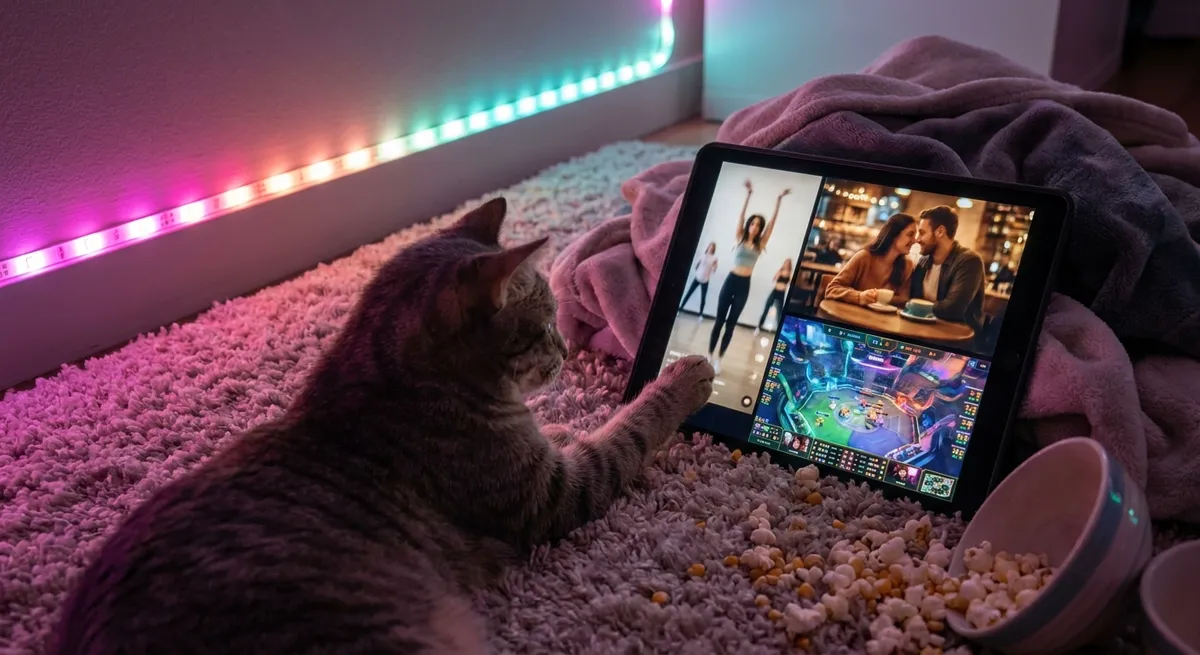
What’s wild is how this is reshaping viewing habits. People save shows just so they can watch them “with” their favorite creator, turning solo streaming into a social event. Reactions to trailers, award show performances, reality TV meltdowns, and music videos become mini-events themselves, with timestamps like “1:32 when they realize what’s happening” turning into inside jokes.
For entertainment brands, this is gold. A scene isn’t successful unless it’s “reaction-worthy”—meme-able, pausable, and dramatic enough to make someone yell on camera. The story doesn’t end at the credits anymore; it continues in stitched clips, duets, breakdowns, and collabs.
Nostalgia Reboots 2.0: Remixing the Past for the Algorithm Age
Nostalgia has always sold, but in 2025 it’s not just about reboots—it’s about recontextualizing the entire past.
Instead of just reviving old franchises, creators are stitching decades together: ’90s cartoon soundtracks under modern dance trends, vintage red-carpet clips recut like TikToks, classic movie scenes turned into POV edits and thirst-trap montages. Viral audio often isn’t brand-new; it’s a decades-old clip that someone dragged out of the cultural basement and repackaged perfectly for the scroll.
Streaming platforms have clocked this. When a track or scene goes viral, the original movie, show, or album quietly jumps back into the charts. Suddenly, a whole new generation is discovering something their parents watched live. Some studios are even tweaking their strategies—re-releasing older titles with fresh promotion timed around trending audio or newly surfaced moments.
The twist: nostalgia isn’t about recreating the original feeling. It’s about remixing it into something that fits today’s sense of humor, aesthetics, and attention span. Think less “faithful reboot,” more “retro filter over a chaotic, hyper-edited new world.”
Fan-Led Award Seasons: Turning Voting Into a Sport
Award shows used to be “watch if you remember.” Now they’re “you have to see what happens,” mainly because fandoms have turned voting, campaigning, and live reactions into a full-season storyline.
Fan-voted categories—whether at music awards, social media-based shows, or fan-choice events—are now basically competitive fandom leagues. Stan accounts run like mini PR agencies: editing campaign videos, monitoring vote counts, organizing streaming parties, and pushing hashtags hours before the show even starts. The lead-up is packed with speculative content—ranking outfits, predicting speeches, and rewatching historic wins.
Day-of, the chaos moves live. Clips of acceptance moments, snubs, and shocking performances hit feeds within seconds, chopped into perfect meme-able loops. Even people who didn’t watch the broadcast know exactly what went down just from their timelines. For artists and actors, a single viral award-show moment can overshadow an entire release cycle.
The real shift: awards are less about industry insiders and more about who can mobilize the loudest digital community. Entertainment isn’t just consumed—it’s campaigned for, defended, and turned into long-running lore.
Conclusion
Entertainment in 2025 is built on one core idea: nobody’s waiting for the “official” version anymore. Fans are rewriting trailers, AI is remixing voices and scenes, reactors are co-starring in your watchlist, nostalgia is getting a chaotic glow-up, and award seasons feel like fandom Olympics.
If you want to stay ahead of the scroll, watch how people are interacting—not just what they’re watching. The next big entertainment moment probably won’t start on a stage or a set…it’ll start in someone’s edit timeline, in a comment thread, or in a late-night AI experiment that accidentally goes viral.
Sources
- Pew Research Center – Social Media and News Fact Sheet - Data on how people consume media and entertainment through social platforms
- Billboard – How TikTok Is Reshaping the Music Industry - Explores viral audio, fan behavior, and platform-driven hits
- BBC News – How AI Is Changing Music and Entertainment - Breaks down AI-generated songs, covers, and industry reactions
- Variety – The Rise of Fan Communities in Streaming and Awards Campaigns - Looks at fan power in streaming, awards, and campaign culture
- The New York Times – The Enduring Power of Nostalgia in Pop Culture - Examines how nostalgia keeps returning in new formats and why it resonates