Trending Right Now: The Entertainment Shifts Your FYP Can’t Stop Pushing
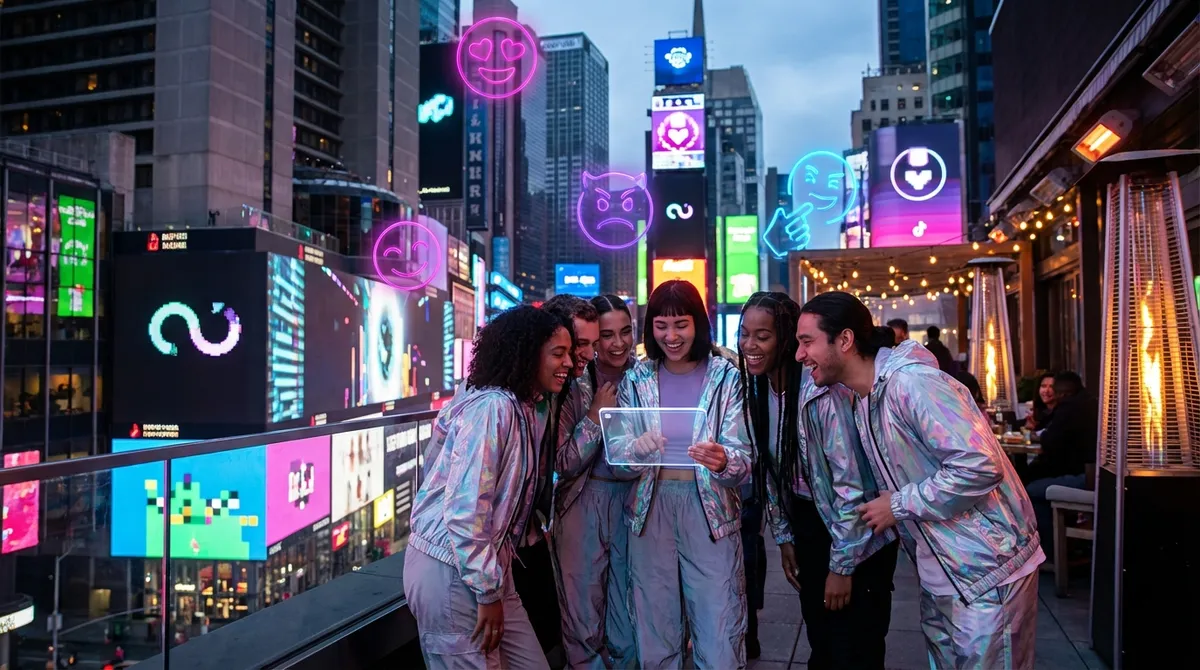
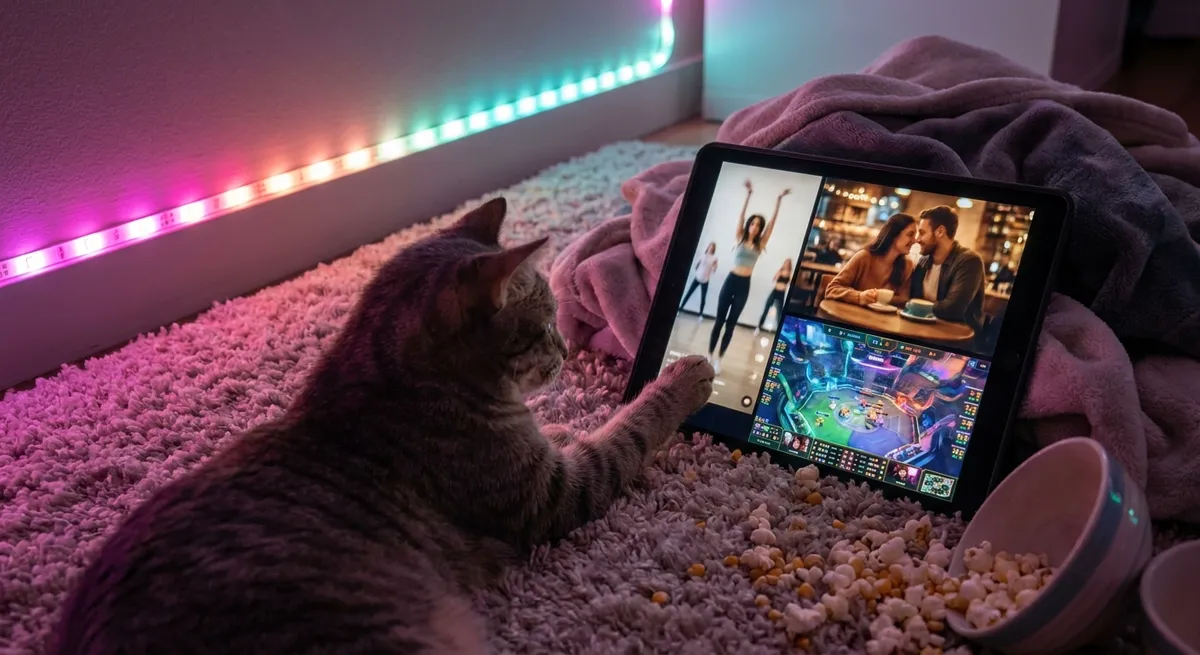
The internet is in full chaos mode (in the best way), and entertainment in 2025 doesn’t look anything like it did even two years ago. Algorithms are speed-running trends, fandoms are producing better trailers than studios, and suddenly everyone’s a director, DJ, and showrunner from their phone. If your feed feels like a mashup of micro-docs, AI remixes, and live drama, that’s not a glitch—it’s the new normal.
Let’s tap into five viral entertainment shifts that are quietly (and loudly) rewriting how we watch, listen, and obsess online right now.
1. Live-Streamed Chaos: Real-Time Drama Is the New Must-See TV
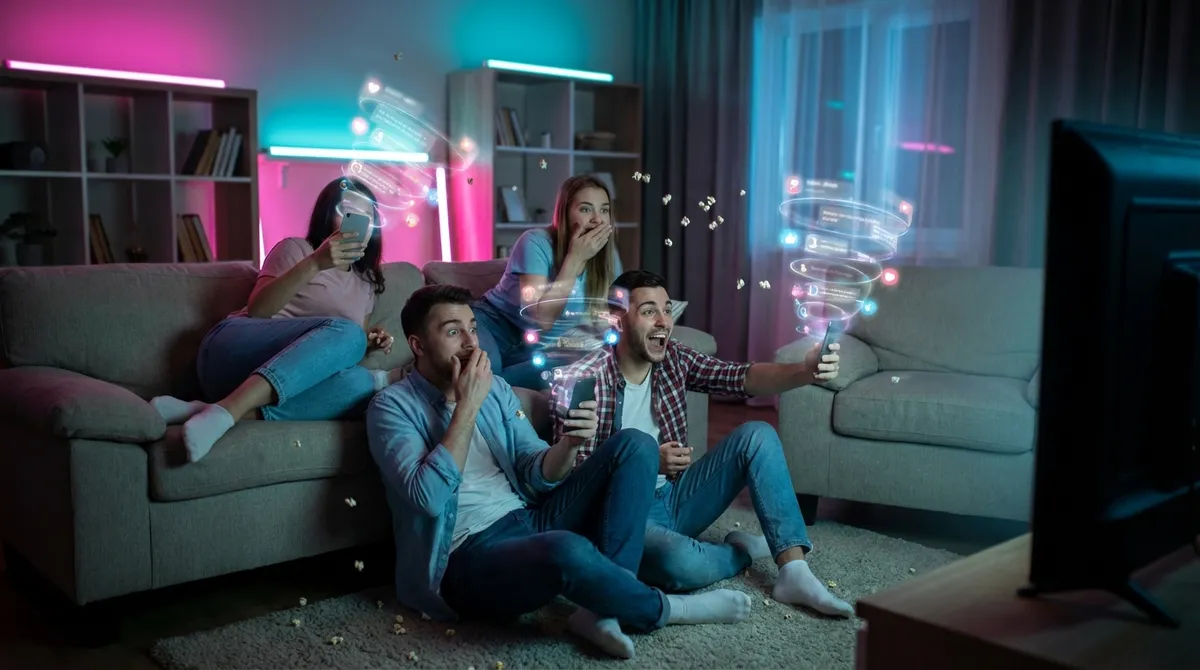
Appointment TV has officially moved to live streams. Instead of waiting all week for a new episode, people are tuning into creators, gamers, and commentators live, where anything can happen and nothing is edited out. Platforms like Twitch, YouTube Live, and TikTok Live have turned “going live” into the hottest stage on the internet.
Part of the pull is pure unpredictability: messy collabs, surprise celebrity drop-ins, and viral moments born in real time. Music artists are teasing unreleased tracks on live, indie filmmakers are doing live table reads, and even traditional broadcasters are simulcasting big events online to chase that chat-fuelled hype. The chat itself has become part of the show—fans meme, react, and screen-cap in real time, turning a single stream into a whole ecosystem of reaction clips and edits afterward.
Brands and studios are catching on fast, launching live watch parties, Q&As with cast members, and behind-the-scenes tours straight from sets. The live format feels more “unfiltered,” which makes fans feel like insiders instead of viewers. In a world where you can binge anything on demand, the only thing you can’t replay perfectly is a moment that explodes live—and that fear of missing that moment is driving massive engagement.
2. Fan Edits as Canon: When Fandom Becomes the Director’s Cut
Those 30-second fan edits with insane transitions and dramatic audio? They’re not just fandom fun anymore—they’re shaping how we see characters, couples, and entire stories. On TikTok, Instagram Reels, and YouTube Shorts, fan-made edits are often the first time new audiences encounter a show, movie, or even a sports star.
Studios used to drop official trailers and hope for the best; now, they watch which fan edits go viral and lean into that energy for promo. Ship edits can revive interest in older series, gritty remixes can reposition a character as an antihero, and sports edits can turn an underrated player into a full-blown internet icon. Algorithms don’t care what was “intended”—they push what gets watched, rewatched, and saved, and fan edits are built for that loop.
What’s wild is how much narrative power fans now hold. A character that didn’t get much focus in the original can become the emotional core of a story online, just through clever editing, music choices, and trending audio. Some actors have openly credited fan edits with keeping a show in public conversation long enough to get renewed, and certain directors now design visually punchy scenes specifically because they know they’ll be clipped and recut by fandom later.
3. Soundtrack Takeover: Viral Audio Is Steering What We Watch
Entertainment used to tell music what to do—movies and shows would pick the tracks, and those songs might take off later. That pipeline has flipped. Now, viral audio on TikTok, Reels, and Shorts is actively steering which scenes, movies, and shows get a second life. One catchy snippet, one emotional bridge, and suddenly everyone’s searching, “What episode is this from?”
We’ve already seen older tracks from artists like Kate Bush and Fleetwood Mac rocket back onto charts after being synced with emotional TV moments and then remixed endlessly online. Streaming services and labels have noticed: they’re timing soundtrack drops with key episodes, seeding tracks with creators, and designing “clip-ready” scenes that sync perfectly with trending sounds. Sometimes, songs break first on social, and studios rush to pair them with their content to ride the wave.
Creators, meanwhile, are treating audio like a storytelling superpower. A nostalgic chorus can turn a 10-second clip into a full emotional arc. A glitchy remix can flip a wholesome scene into something dark and cinematic. The result? People often fall in love with an edit before they know the source—and then binge the original just to feel “the edit” in context. The soundtrack is no longer background; it’s the algorithm’s steering wheel.
4. DIY Cinematic Universes: Micro-Creators, Mega Story Worlds
We’re officially in the era where someone with a phone and a good idea can build a universe so compelling that people binge it like a Netflix series. Short-form, ongoing storylines—whether it’s comedy skits, fictional vlog “diaries,” or horror ARG-style content—are turning everyday creators into full-blown showrunners.
Think serialized characters that keep popping up in new situations, comment-driven story decisions (“like for part 2”), and intricate lore hidden in backgrounds, captions, and throwaway jokes. Fans don’t just watch; they theorize, pause to catch details, and build wikis and Discord servers around content that’s never been near a traditional studio. TikTok, YouTube Shorts, and Insta Reels have become launchpads for “micro-episodic” sagas that feel bingeable in tiny bursts.
What makes this hit so hard is the intimacy. The “actors” are usually the creators themselves, shooting in their rooms, streets, or local spots, so it all feels half-fiction, half-reality. Some of these DIY story worlds are now being optioned for full-length series or films, while others intentionally stay small and interactive. Either way, the line between “influencer” and “show creator” has basically dissolved—and audiences are happy to follow a compelling character arc whether it’s on a phone screen or a TV.
5. Interactive Fandom: Polls, Power, and Participatory Storytelling
The audience isn’t just talking back anymore—they’re steering the ship. Interactive entertainment is exploding, with creators and even big studios letting fans shape outcomes through polls, comments, and direct participation. Whether it’s asking followers, “Who should this character end up with?” or building branching storylines based on viewer decisions, the crowd now has real narrative weight.
This is showing up everywhere: live reality-esque streams where viewers vote on challenges, web series that alter future episodes based on fan theories, and even musicians letting fans pick setlists or influence music video concepts. Some creators openly display analytics and comments in their process videos, turning their community into a visible part of the “writers’ room.”
The result is a deeper emotional bond. When fans feel their comment literally changed a scene or influenced a plot twist, they don’t just watch—they advocate, share, and defend that project online. It’s like everyone got promoted from “viewer” to “co-producer.” And as platforms keep rolling out more interactive tools—stickers, live polls, shared screens—expect participatory storytelling to level up from novelty to normal.
Conclusion
Entertainment in 2025 isn’t just about what’s on the screen—it’s about who’s clipping it, remixing it, reacting to it live, and bending it into something new. Live-streamed chaos is replacing scheduled drama. Fan edits are rewriting how we see characters. Viral audio is deciding what gets watched. DIY worlds are rivaling studio budgets. And fans aren’t on the sidelines anymore; they’re in the control room.
If your feed feels like a never-ending crossover event, that’s because it is. The future of entertainment isn’t just bigger—it’s closer, faster, and way more interactive. Keep your notifications on, because the next “show” you fall in love with might not drop on a streaming platform at all. It might be born in your FYP tonight.
Sources
- Pew Research Center – Social Media and Video Livestreaming – Data on how people are using livestream platforms and consuming real-time content
- The New York Times – How TikTok Is Rewriting the World – Explores TikTok’s role in reshaping entertainment, music, and viral culture
- BBC – How TikTok Revived Kate Bush’s Running Up That Hill – A case study of how viral audio and streaming collided to revive older music through TV and social media
- MIT Technology Review – The Real Impact of Fan Communities Online – Analysis of how fandoms are influencing mainstream media and storytelling
- Twitch – 2023 Transparency Report – Insight into the scale and growth of live-streaming as a major entertainment channel