The New Rules of Going Viral
Virality used to be about one big meme, one hit single, or one scandal that broke the internet for 24 hours. In 2025, viral looks very different. Micro-trends, niche fandoms, AI creators, and remix culture are turning pop culture into something faster, stranger, and a lot more interactive.
If you feel like every time you open your phone there’s a new sound, aesthetic, or inside joke you missed, you’re not alone. Today’s pop culture isn’t just something we watch—it’s something we co-create in real time.
Here are 5 exciting trends currently capturing attention and quietly rewriting the rules of fame, fandom, and creativity.
1. AI-Generated Pop Stars and Virtual Idols
We’ve had digital idols for years, but 2025 is the year AI-native artists go mainstream.
- AI vocal models are releasing full albums.
- Virtual influencers are doing brand deals, livestreams, and fan Q&As.
- Fan-made AI covers turn any song into a version sung by a different artist in minutes.
What’s new is the collaborative layer. Fans aren’t just consuming—they’re:
- Prompting AI tools to create original tracks.
- Designing lore, aesthetics, and backstories for virtual idols.
- Using AI to generate fan edits, artwork, and lyrics that feel studio-level.
Why It’s Capturing Attention
AI idols tap into that fantasy of the perfect artist—always online, always releasing, always evolving. But they also raise juicy questions that pop culture loves to chew on:
- Who owns an AI voice?
- Is a hit song less “real” if no human sang it?
- Can you stan a character that doesn’t actually exist?
As chart data, fan streams, and brand deals start treating virtual creators like real celebrities, the line between human and synthetic pop culture is getting deliciously blurry.
2. Fandom as a Lifestyle (Not Just a Hobby)
Fandoms used to live mostly online: forums, Twitter threads, Tumblr edits. Now, fandom is a full-on lifestyle layer that people wear, eat, stream, and travel for.
- Concert tourism: Fans booking flights across continents for world tours and fan meets.
- Drop culture: Limited-edition collabs between fandoms and fashion, beauty, or tech.
- Daily identity: Bios, usernames, and profile pics all signaling who and what you stan.
The Rise of “Fandom Fluency”
In today’s pop culture, being fluent in fandom language is social currency.
- Know the latest ship? You’re in.
- Miss the reference? You’re instantly lost.
Fandom has become a way to:
- Find your people quickly in crowded online spaces.
- Build communities that outlast a single era, album, or show.
- Turn consuming content into an ongoing, living conversation.
This has reshaped how studios, labels, and streamers think. Instead of chasing passive views, they’re chasing hyper-engaged micro-communities willing to:
- Rewatch and restream.
- Buy physical merch in a digital era.
- Defend their faves like it’s a full-time job.
3. Retrocore: Nostalgia Remixed for the Scroll Age
Every decade thinks it invented nostalgia, but 2025 has taken it to a new level. We’re not just revisiting the past—we’re remixing it.
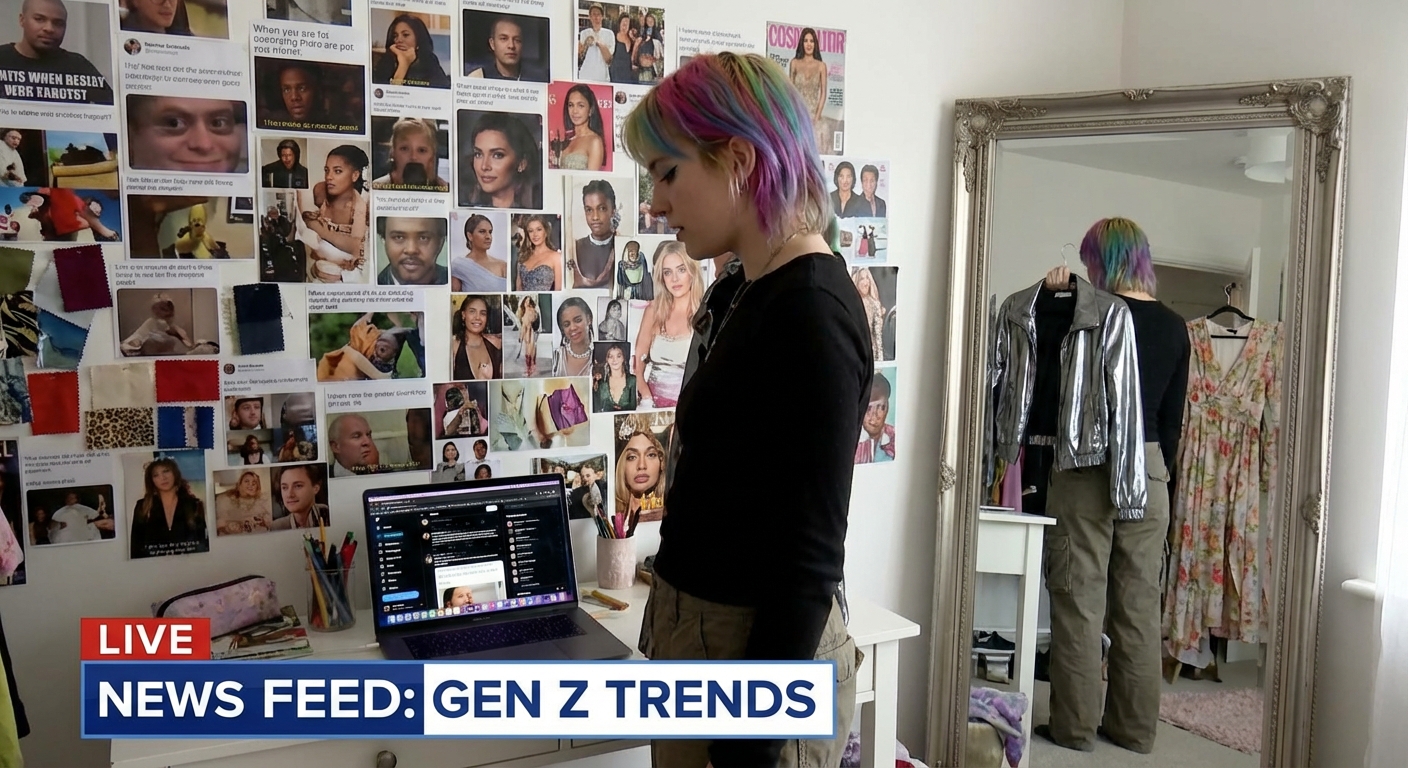
- Y2K and 2010s aesthetics are back on moodboards.
- Reboots, legacy sequels, and live-action remakes dominate streaming.
- Old viral moments are resurfacing as "new" content for Gen Z and Gen Alpha.
Why Nostalgia Works So Well Right Now
In a culture that moves at hyper-speed, nostalgia offers:
- Comfort: Familiar sounds, colors, and storylines.
- Connection: Shared memories between generations.
- Contrast: Old-school vibes stand out in hyper-edited feeds.
But this isn’t a simple copy-and-paste. Retrocore is being updated to fit modern values:
- Classic teen tropes rewritten with more inclusive casting.
- Vintage fashion reimagined as sustainable, thrifted, and gender-fluid.
- Old hits rediscovered through new remixes, samples, and dance challenges.
The result: a mashup culture where a 2003 banger can top charts again thanks to a TikTok dance made by a 15-year-old who wasn’t even born when it dropped.
4. Short-Form Story Universes
Everyone knows short-form video rules the attention economy, but it’s not just about quick laughs anymore. We’re seeing the rise of short-form story universes.
These are:
- Ongoing mini-series told in 30–90 second episodes.
- Characters, lore, and plot twists unveiled in episodic clips.
- Interactive decisions shaped by audience comments and polls.
The New Soap Operas Are Vertical
Think of it as soap opera meets fanfiction meets improv:
- Creators drop an episode.
- Comments explode with theories and demands.
- The next episode responds to what the audience wants.
This format has created breakout moments where:
- Indie creators build full IP universes from a bedroom.
- Brand partners step into the story as characters, not just sponsors.
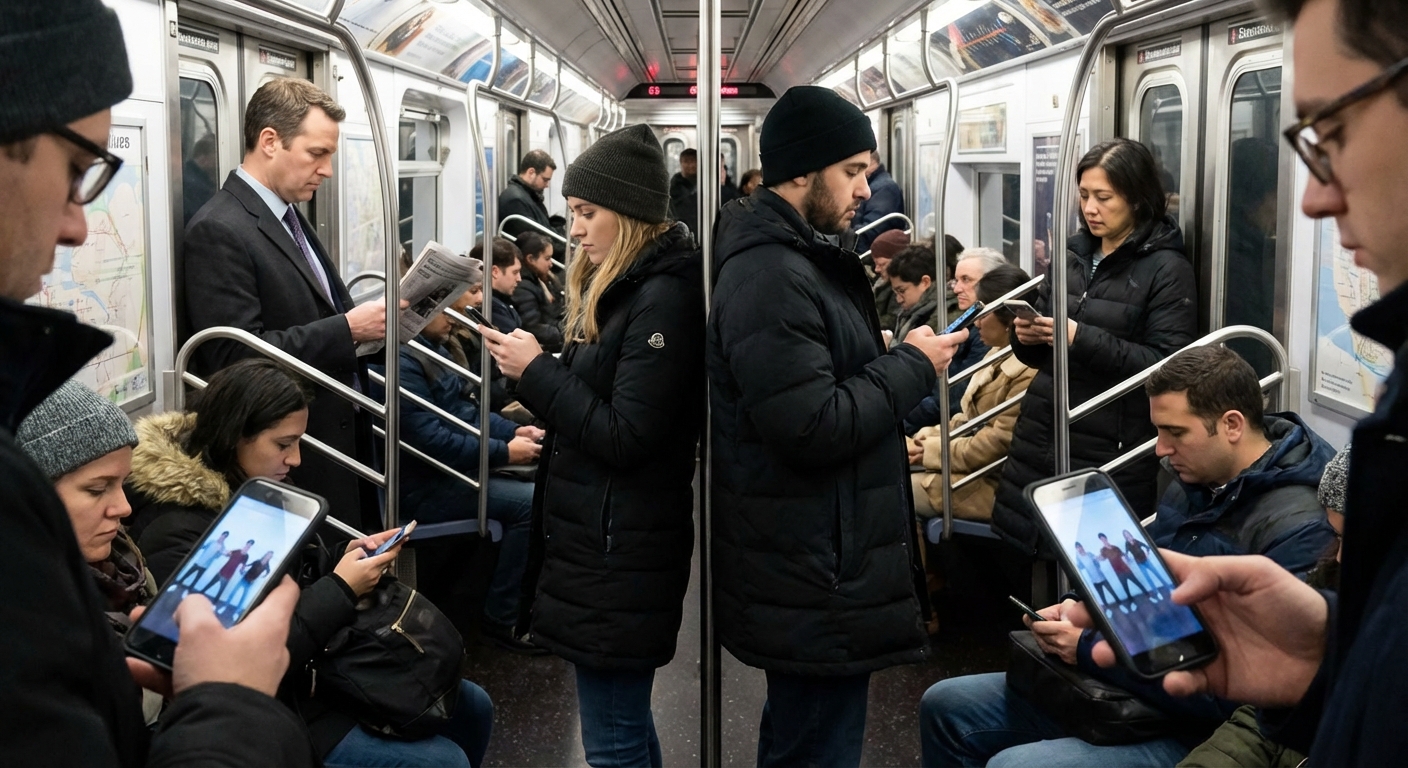
- Fans binge an entire "season" during their commute.
Short-form storytelling rewards consistency, creativity, and community—three things pop culture is obsessed with right now.
5. The Era of “Chaos Collabs”
The most unexpected cultural moments in 2025 often come from one thing: chaos collabs.
These are mashups that sound insane on paper but explode online because they feel unpredictable and fun.
Examples include:
- A luxury brand collaborating with a meme page.
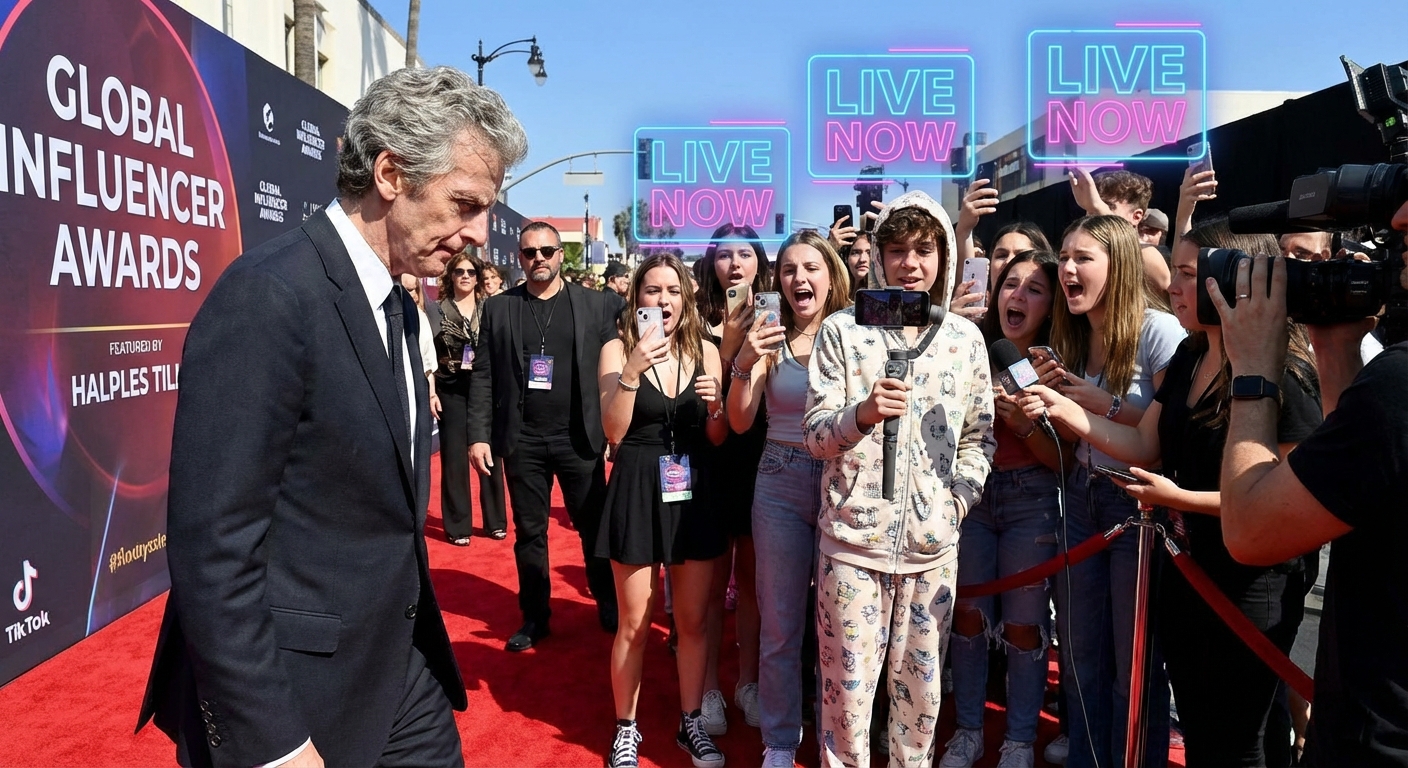
- A serious dramatic actor popping up in a chaotic sketch or thirst trap trend.
- A pop star announcing a song via a gaming livestream.
Why Chaos Wins the Feed
Feeds are algorithmic loops. Chaos cuts through:
- It breaks patterns your brain expects to see.
- It feels like an inside joke you’re lucky to catch.
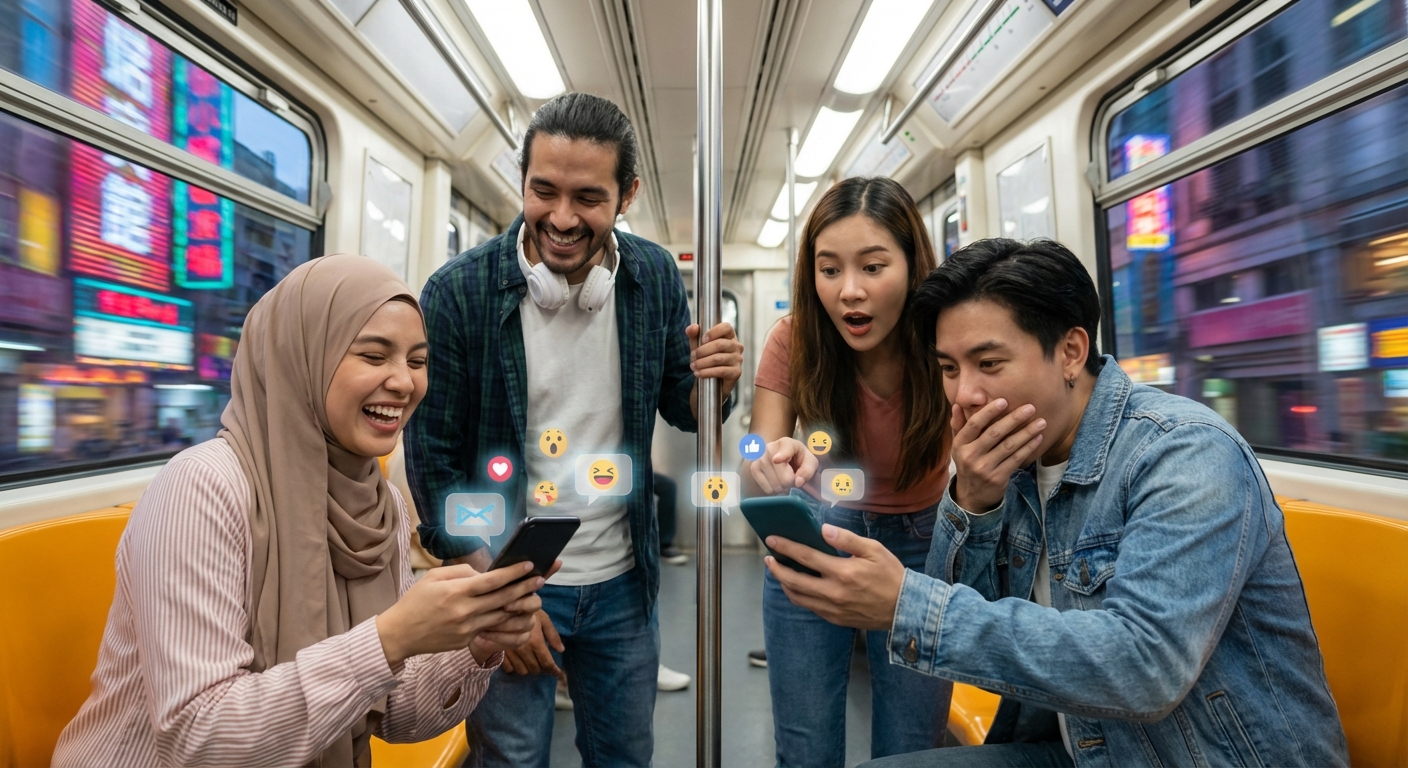
- It inspires instant reposts: “You have to see this.”
Pop culture in 2025 loves genre-bending and boundary-breaking. The more a collab makes you say “Wait, them with them?”, the more likely it is to dominate your timeline.
What It All Means for the Future of Pop Culture
All five of these trends point to one massive shift: pop culture is no longer a one-way broadcast. It’s participatory, remixable, and perpetually in beta.
- AI is blurring where creativity starts and ends.
- Fandoms are evolving into living ecosystems.
- Nostalgia is being sampled, not just replayed.
- Stories are unfolding in ultra-short bursts.
- Collabs are getting wilder and more unexpected.
If you want to stay plugged in:
- Follow creators, not just platforms.
- Watch how fans talk, not just what artists post.
- Expect that the next big thing might be half nostalgia, half AI, and entirely driven by comment sections.
Pop culture has never moved this fast—or been this fun to shape. The scroll isn’t just where trends happen anymore. It’s where culture is being written in real time, one viral moment at a time.