Welcome to the Era of Guilty-Pleasure Pop
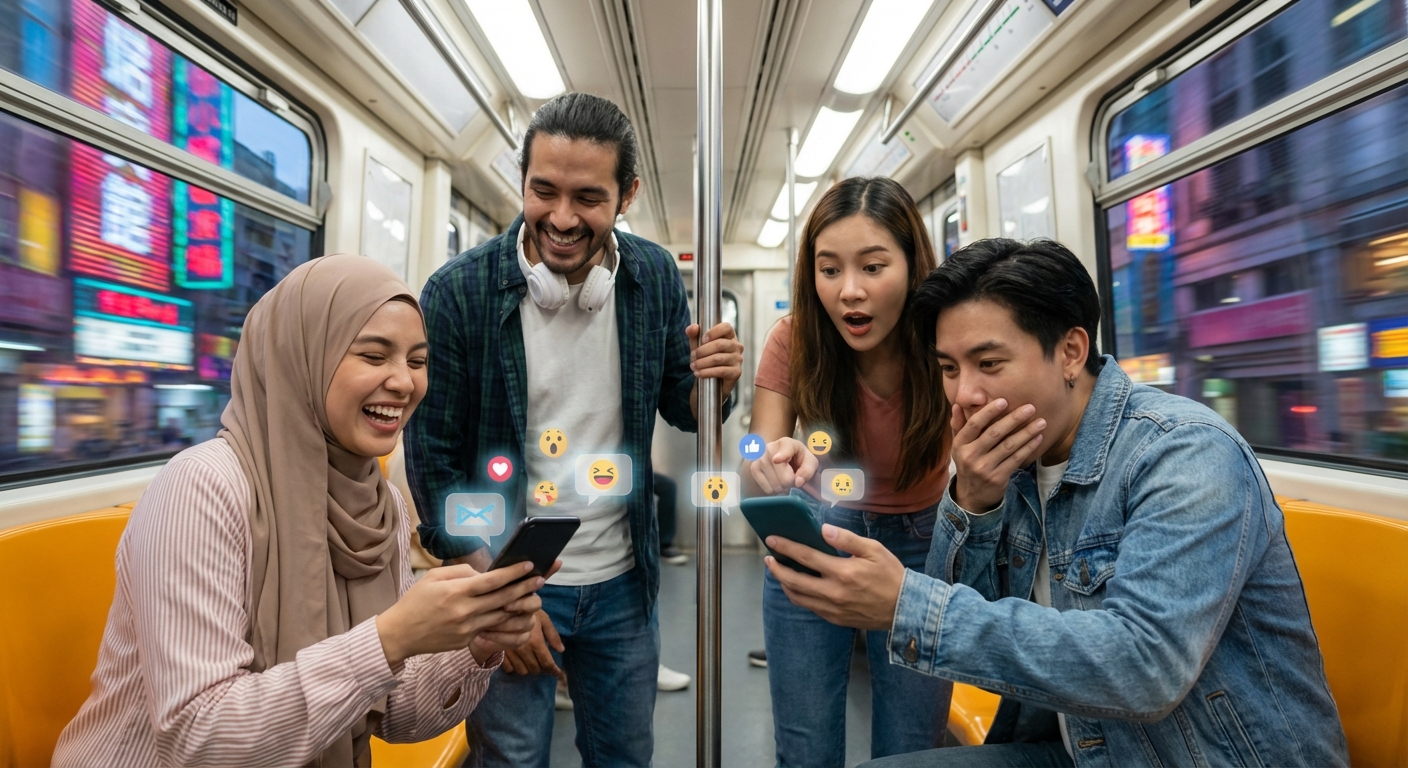
Open any social feed and you’ll see it: people publicly posting about serious news and productivity hacks… then secretly DM’ing each other the most unhinged viral content they can find. Pop culture in 2025 thrives in that gap between what we say we’re into and what we actually binge at 1 a.m.
If your For You Page (FYP) feels like chaos, that’s not an accident. Algorithms have learned our guilty pleasures better than we know them ourselves. Let’s unmask 5 viral pop culture trends that everyone pretends they’re above—but absolutely isn’t.
1. Hyper-Specific Micro-Memes
The meme era isn’t over—it just got weirdly niche.
Instead of one big universal meme, we now have:
- Ultra-specific formats like “POV: you’re the friend who always…”
- Screenshots of random comment sections becoming the main meme template.
- Hyper-local jokes only people from one fandom, city, or subculture get.
Why They Hit So Hard
Micro-memes go viral because they feel like they were made just for you:
- They call out oddly specific behaviors (“that one coworker who…”).
- They dramatize small anxieties and awkward moments.
- They feel instantly shareable to your closest circle who will get it.
Memes have become less about global relatability and more about niche relatability. The smaller the in-joke circle, the bigger the laugh.
2. Side-Character Energy: Falling for the B-Plot
Main characters are great, but 2025 is the year of side-character obsession.
- Random background actors in movies go viral for one reaction shot.
- Supporting characters in TV shows get more fan edits than the leads.
- Even in real life, people brand themselves as having “side character energy.”
Why We Love the Background Stars
We’re over perfection. Side characters feel:
- Chaotic and real: They mess up, overshare, and oversleep.
- Unfiltered: Less PR-polished, more meme-ready.
- Safe to stan: Less pressure, fewer scandals, more fun.
This energy has spilled over into music, too. B-sides, leaks, and non-singles sometimes get more passionate fandom love than official hits. The new flex? Being the person who stans the “wrong” favorite on purpose.
3. Cosy Chaos: The Rise of “Comfort Drama”
We used to watch drama to feel shaken. Now, we watch it to feel… relaxed.
Enter comfort drama—shows, creators, and storylines that are messy enough to be entertaining but safe enough to be non-triggering background noise.
Think:
- Slice-of-life reality shows with minimal stakes.
- Creators who share “day in my life” content with tiny bits of drama: late trains, awkward texts, harmless misunderstandings.
- "Slow chaos" vlogs that feel like hanging out with a slightly more chaotic friend.
Why Comfort Drama Is Addictive
In a world of constant real-world stress, comfort drama offers:
- Predictable arcs: You know everything will be fine.
- Soft stakes: No world-ending twists, just relatable hiccups.
- Companionship: It feels less like watching TV, more like existing with someone.
It’s the content equivalent of talking through your minor problems with a friend while folding laundry.
4. The Viral Rebrand: Image Makeovers in Real Time
The internet never forgets—but it’s gotten strangely forgiving about rebrands.
We’re watching in real time as:
- Former “problematic faves” quietly rebuild their image through consistency, not spectacle.
- Influencers pivot from one niche to another (beauty to books, comedy to wellness).
- Entire platforms change vibes as new generations flood in.
The Rebrand Playbook
What used to be a single PR statement is now a full content strategy:
- Soft pivot: Slightly different content, same personality.
- Community co-signs: Collabs with beloved figures in the new niche.
- Self-awareness: Lightly joking about the past without fully living in it.
- Time: Consistency beats apologies.
The public responds because the rebrand story itself is entertaining. Watching someone evolve, fumble, and slowly get it right is a longform character arc that keeps people hooked.
5. Pop Culture as Self-Diagnosis
One of the most surprising trends: people using pop culture to talk about themselves in ways that feel safer than saying things directly.
You’ll see it everywhere:
- “I’m such a [insert character name] about this.”
- “This song is my Roman Empire.”
- “This meme basically explains my attachment style.”
Why We’d Rather Reference Than Reveal
Pop culture has become a shorthand language for:
- Emotion: Songs and scenes say what we can’t.
- Identity: Characters and aesthetics express who we are (or want to be).
- Community: Shared references spark instant connection.
Instead of saying “I’m anxious about commitment,” someone might share a clip from a romance show and type: “Me.” That tiny layer of distance makes honesty feel less scary—and way more memeable.
How to Stay Culturally Fluent Without Burning Out
Staying on top of everything can feel impossible, but you don’t have to track every micro-trend. Focus on these habits instead:
- Follow curators, not just creators: people who round up the best memes, clips, and trends of the week.
- Check comment sections: That’s where inside jokes, new slang, and future memes are born.
- Lean into your niches: You don’t need all of pop culture—just the corners that light you up.
Pop culture in 2025 is less about chasing every viral moment and more about choosing the ones that feel like home—even if you’d never admit it on main.
Your FYP already knows what you’re obsessed with. You might as well admit it, hit like, and enjoy the show.