Fame Isn’t What It Used to Be
Once upon a time, being famous meant red carpets, glossy magazine covers, and tightly controlled interviews. In 2025, it might mean streaming from a bedroom, replying to DMs between matches, or having your face recognized only by people who know one very specific niche.
Pop culture didn’t just add new types of celebrities—it rewrote what fame even is.
Here’s a side-by-side look at how fame worked then vs. how it works now, and 5 viral trends driving the biggest shift in modern celebrity culture.
1. Gatekeepers vs. Algorithms
Then:- Record labels, studios, TV networks, and magazines decided who got a platform.
- You had to be “discovered,” cast, or signed.
- A few people controlled the spotlight; everyone else watched.
- Algorithms and audiences co-create fame.
- A single clip can launch a career before any industry exec notices.
- Creators build followings across multiple platforms long before traditional media catches up.
Trend: Algorithm-First Breakouts
It’s become normal to see:
- A singer blow up on TikTok, then chart, then get signed.
- A streamer become a mainstream personality through clips alone.
- A comedian’s crowd-work video land them specials and tours.
The path is now: go viral → build community → negotiate from power. Pop culture has shifted from gatekept access to crowdsourced attention.
2. Untouchable Icons vs. Hyper-Accessible Creators
Then:- Celebrities felt distant, almost mythic.
- Information came through polished interviews, magazine profiles, and late-night TV.
- Mystery was part of the appeal.
- Creators go live from their kitchens.
- Stars post photo dumps, crying selfies, and “Get Ready With Me” clips.
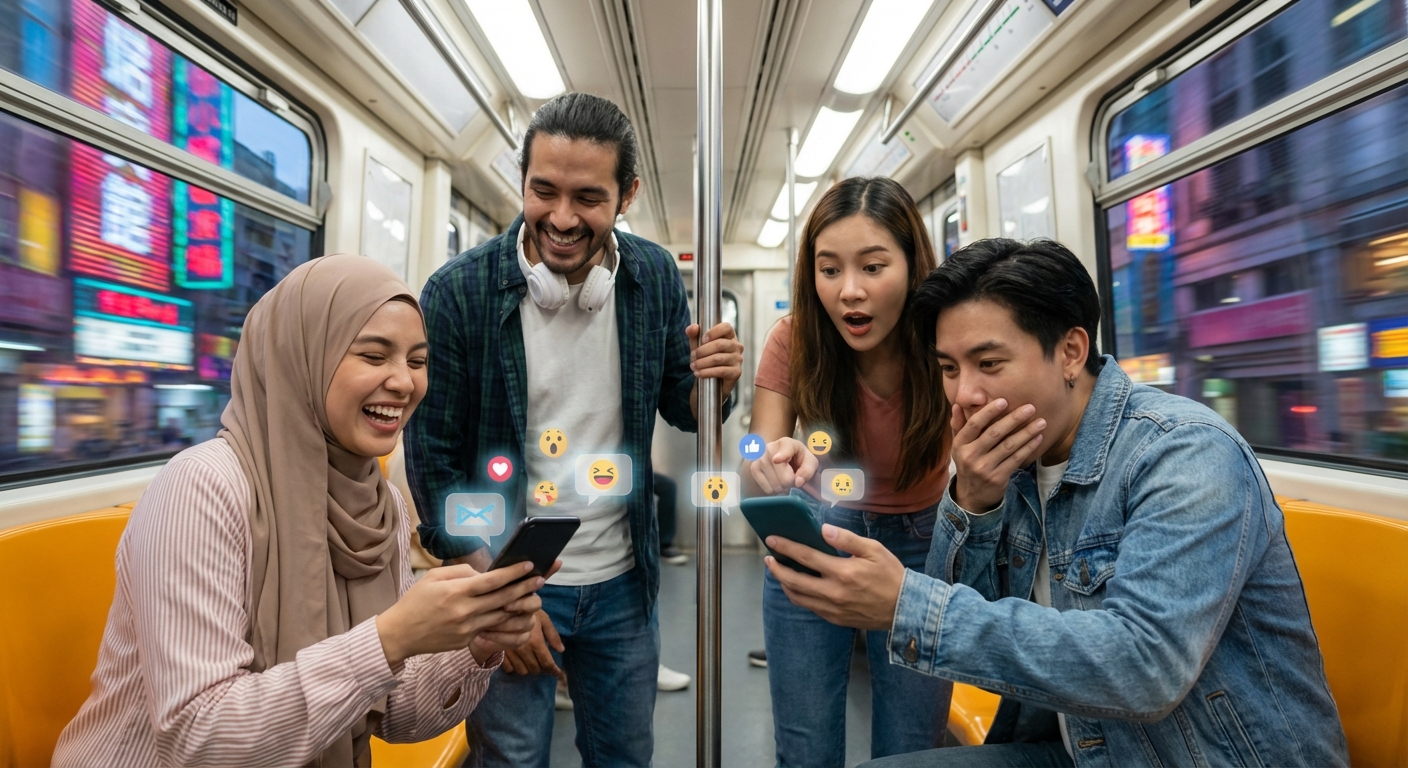
- Fans can slide into DMs, leave voice notes, and show up in live chat.
Trend: Parasocial Pop Culture
The line between “we know them” and “we know of them” has almost disappeared.
- Fans feel like they’re in real friendships with creators and celebrities.
- Comment sections become emotional support groups—and sometimes battlegrounds.
- Boundaries are constantly tested: what’s oversharing vs. authenticity?
This hyper-accessibility creates intense loyalty but also intense scrutiny. Every offhand comment is screen-recorded. Every live slip becomes a discourse topic.
3. One-Path Careers vs. Multi-Hyphen Chaos
Then:- You were one thing: actor, singer, model, athlete.
- Crossing lanes (like an actor releasing music) felt unusual.
- Expertise and training defined careers.
- The new normal is multi-hyphen: actor–producer–brand founder–podcaster.
- Creators shift niches in real time based on what resonates.
- Fans actively root for their faves to expand: “Drop the podcast!” “Start a brand!”
Trend: Creator-Entrepreneur Era
Modern pop culture loves the build-your-empire arc:
- Streamers launching energy drinks or snack brands.
- Musicians dropping fashion collabs, beauty lines, or gaming partnerships.
- Influencers turning catchphrases into merch… then full labels.
The story isn’t just “they’re famous.” It’s “we watched them build something.” That entrepreneurial storyline itself becomes viral content.
4. Controlled Narratives vs. Living, Messy Timelines
Then:- PR teams crafted images and long-term arcs.
- Scandals were handled with statements and carefully staged interviews.
- Public image moved slowly.
- Every post, like, follow, unfollow, and playlist addition becomes narrative fuel.
- Fans track relationships via soft launches, cryptic captions, matching fits.
- “Breakdowns,” “eras,” and “rebrands” play out live.
Trend: Real-Time Reputation
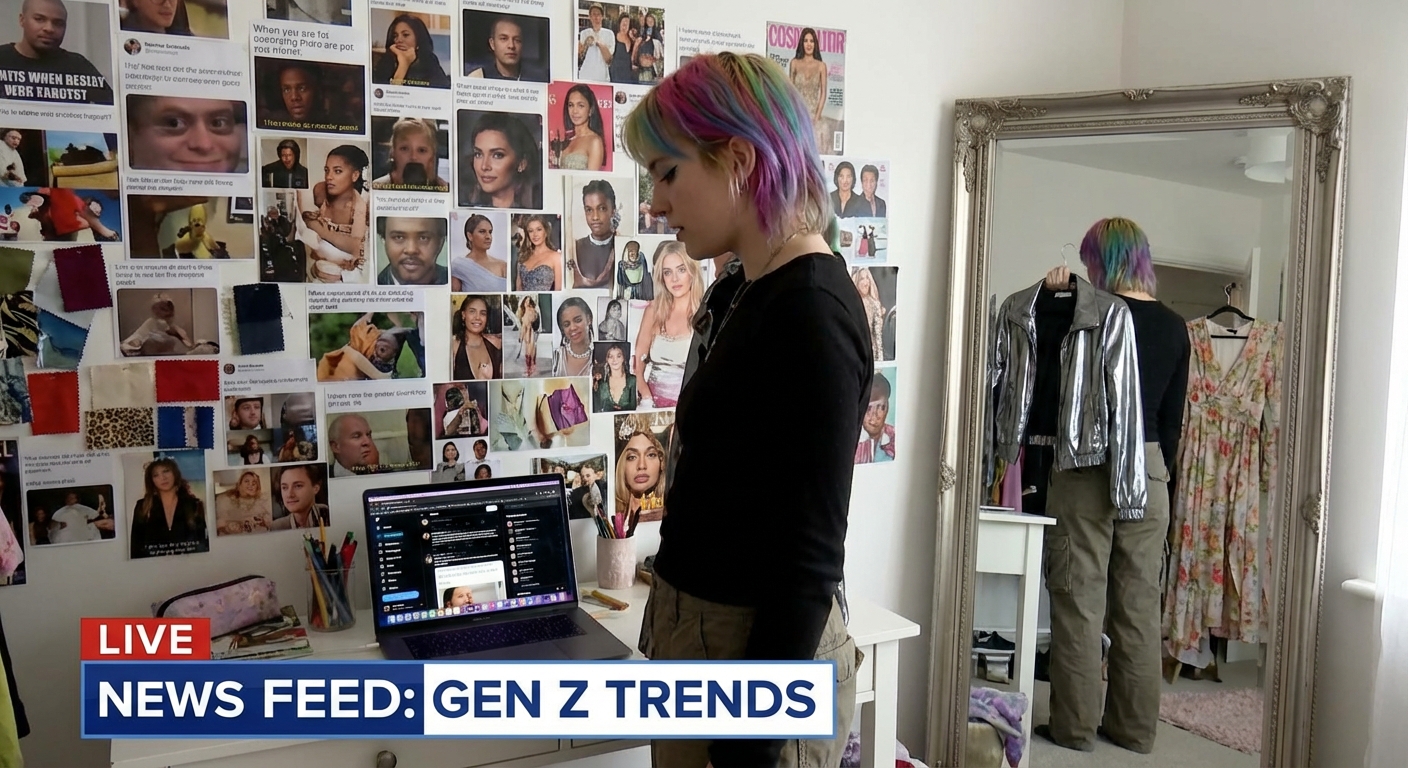
Public perception now updates like a live feed:
- A charity stream boosts someone’s image overnight.
- A resurfaced clip ignites week-long cancellation debates.
- An offhand collab rumor dominates discourse before it’s even confirmed.
Pop culture in 2025 feels like watching everyone’s character development in real time—complete with plot twists, side quests, and redemption arcs.
5. Monolithic Stars vs. Niche Micro-Celebs
Then:- A small set of megastars dominated culture.
- Everyone knew the same handful of A-listers.
- “Famous” meant universally recognized.
- Micro-celebrities rule niches: booktok, beautytok, fandom spaces, gaming, fashion, commentary.
- You can be incredibly famous to a very specific audience and unknown to everyone else.
- People constantly ask, “How have you never heard of them?”
Trend: Fragmented Fame
Niche fame is powerful because it’s:
- Targeted: Brands can work with creators whose followers actually care.
- Intimate: Smaller communities feel more personal and loyal.
- Sustainable: Careers can flourish without constant mainstream pressure.
Pop culture has become an ecosystem where 10,000 highly engaged fans can matter more than a million passive viewers.
Where Legacy Celebs and New Creators Collide
We’re in a fascinating hybrid era where traditional celebrities and digital creators are learning to share space:
- A-list actors guest on creator podcasts to tap younger demographics.
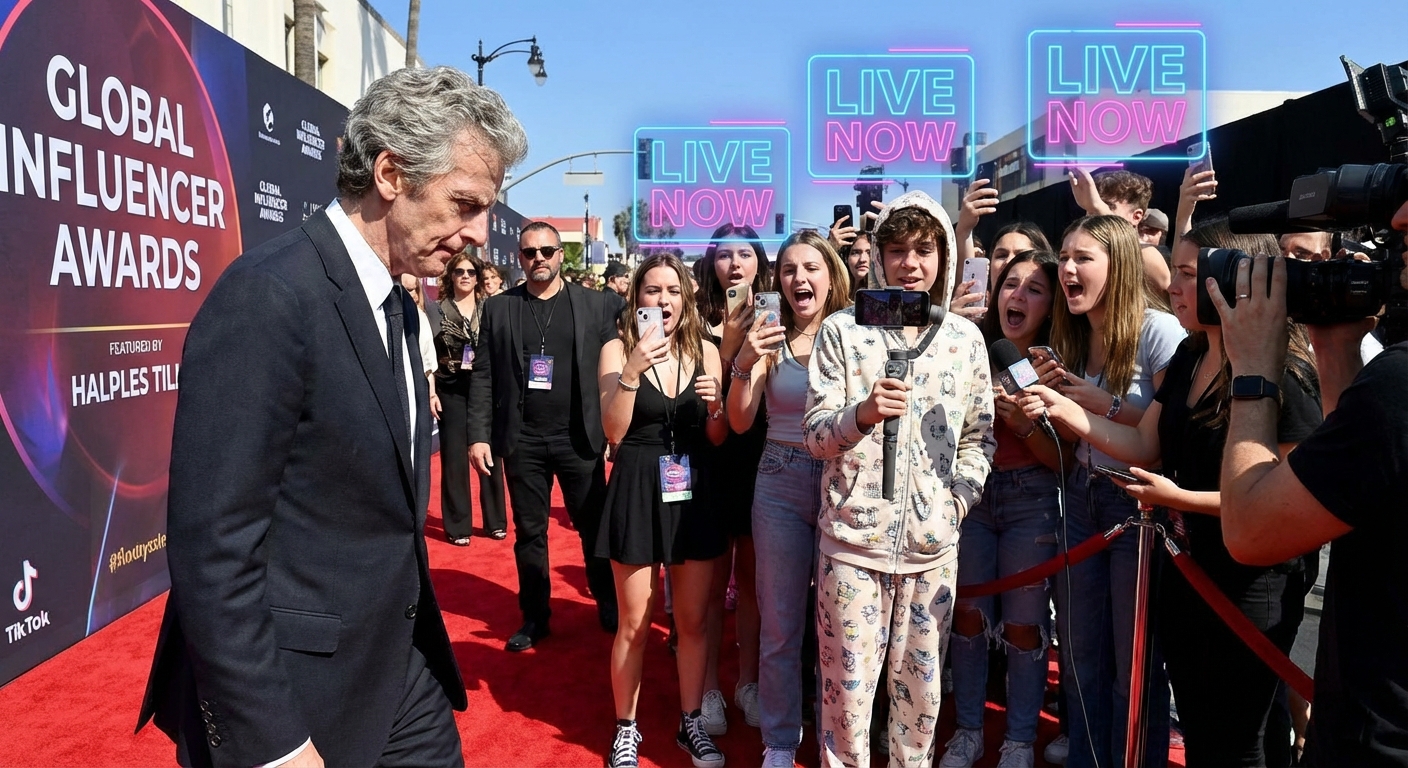
- Streamers appear on red carpets and in campaign shoots.
- Musicians tease new singles first via TikTok creators or gaming collabs.
This collision has birthed one of 2025’s spiciest trends: chaos crossovers.
- When a legacy star appears on a random Twitch stream, it feels surreal and instantly viral.
- When a creator lands a role in a major series, fandom worlds collide.
The mix keeps pop culture unpredictable—exactly what keeps people refreshing their feeds.
The Dark and the Bright Sides of 2025 Fame
This new landscape comes with real tension.
The bright side:- More voices, looks, and backgrounds represented.
- Fans can directly support their favorites (subscriptions, donations, merch).
- Careers can launch from creativity alone, not just connections.
- Constant exposure and burnout.
- Blurry boundaries between personal life and content.
- Infinite commentary, even on minor mistakes.
Pop culture has traded distance for intimacy, polish for immediacy, and rarity for 24/7 access.
What This Means If You’re a Fan—or a Future Creator
You don’t need a studio, label, or agent to join modern pop culture. You just need:
- An angle: what you love, what you’re curious about, what you can’t shut up about.
- A format: streams, short videos, essays, art, edits, vlogs.
- A willingness to iterate in public.
If you’re a fan, realize how much power you actually have:
- Your shares, comments, edits, and streams literally shape who rises.
- Your niche obsessions help sustain micro-celebs who might never go mainstream.
- Your community norms influence how creators are treated.
Fame is no longer a static crown placed on a chosen few. In 2025, it’s a moving spotlight that audiences constantly redirect.
The celebrity script didn’t just get a rewrite—it got open-sourced. And we’re all co-authors now.