Pop Culture Power-Ups: The Viral Swerves Rewriting 2025’s Mood
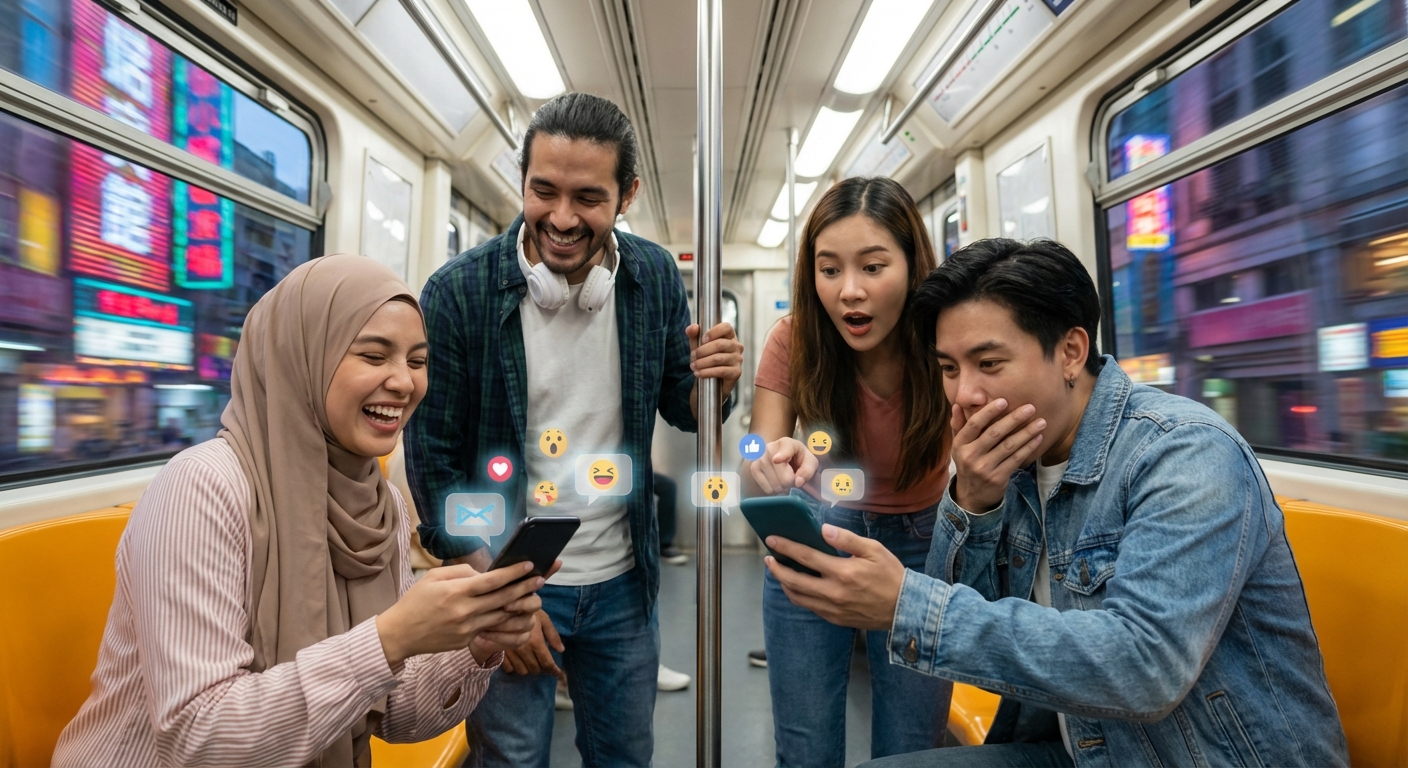
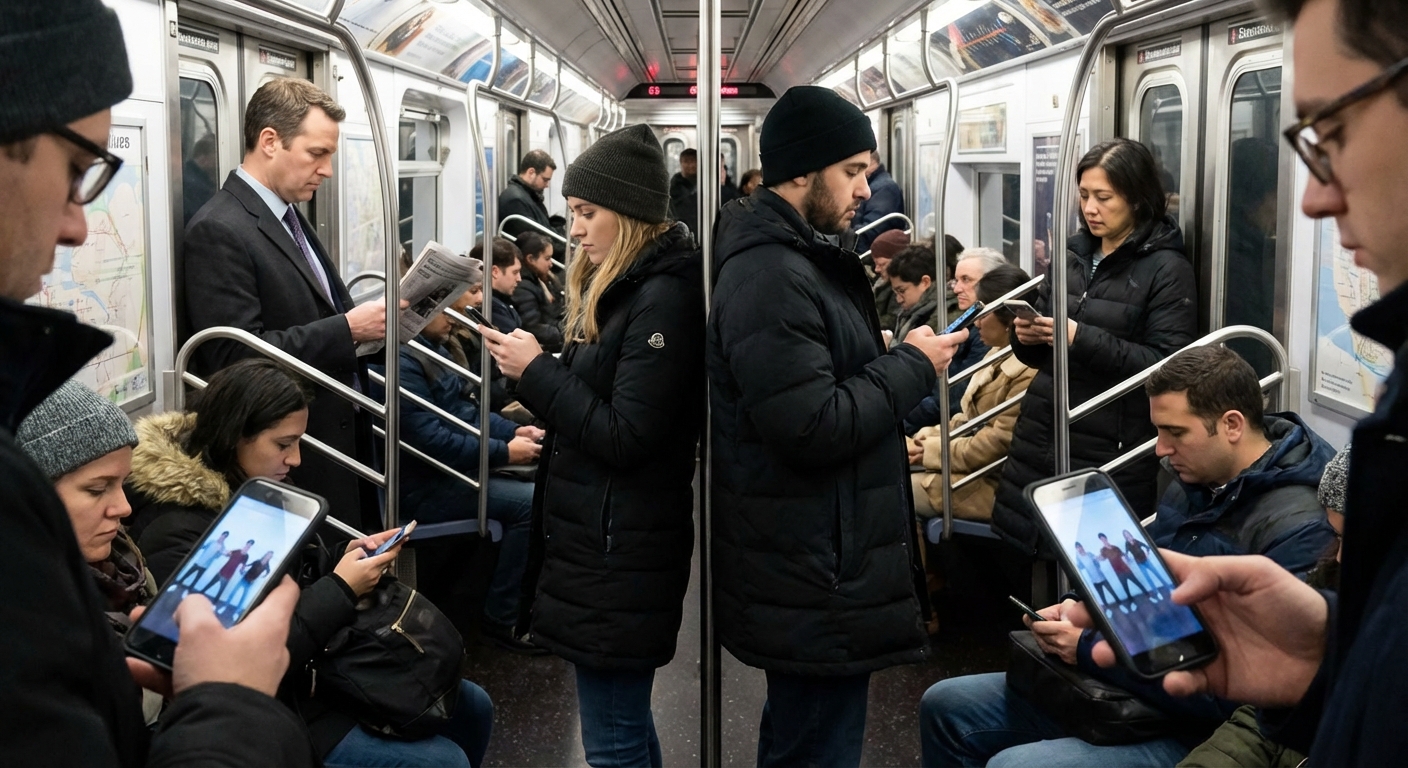
Pop culture in 2025 isn’t just about what’s on your screen—it’s about what you do with it. From fan-army collabs to AI remixes and “blink and you missed it” micro-trends, the internet is speed-running culture like it’s a game on fast-forward. If your feed feels like a chaos cocktail of aesthetics, fandoms, and sounds you can’t get out of your head, you’re exactly where pop culture lives right now.
Let’s plug into the five biggest waves shaping the vibe of 2025—and why they’re everywhere you scroll.
1. Fandom Fusion: When Stans Become the Main Character
Fandoms aren’t just reacting to pop culture anymore—they’re co-writing it.
On X, TikTok, and Discord, fan communities are organizing like mini studios: launching streaming parties to spike chart numbers, coordinating global hashtags to boost their faves, and even funding indie projects when major labels or studios pass. K‑pop fandoms helped normalize this years ago, but now you see Swifties, anime fans, gaming communities, and film stans running full-scale campaigns like seasoned marketers.
Studios and brands are catching on fast. Movie campaigns now drop “fandom-first” trailers on TikTok, artists leak snippets directly into fan Discords, and game devs quietly test storylines via fan polls and theory threads. The loop is wild: creators post → fandom reacts → creators pivot based on fan edits, memes, and comments. Suddenly, fan cams influence official tour visuals, fancasts inform real casting choices, and fan-made lore slips into canon.
The new power move in pop culture isn’t just having fans—it’s knowing how to collab with them. Fandoms aren’t the audience anymore; they’re co‑producers.
2. AI Remix Culture: The Internet’s New Pop Collab Engine
Love it or side-eye it, AI is now part of the pop culture toolkit—and the results are everywhere.
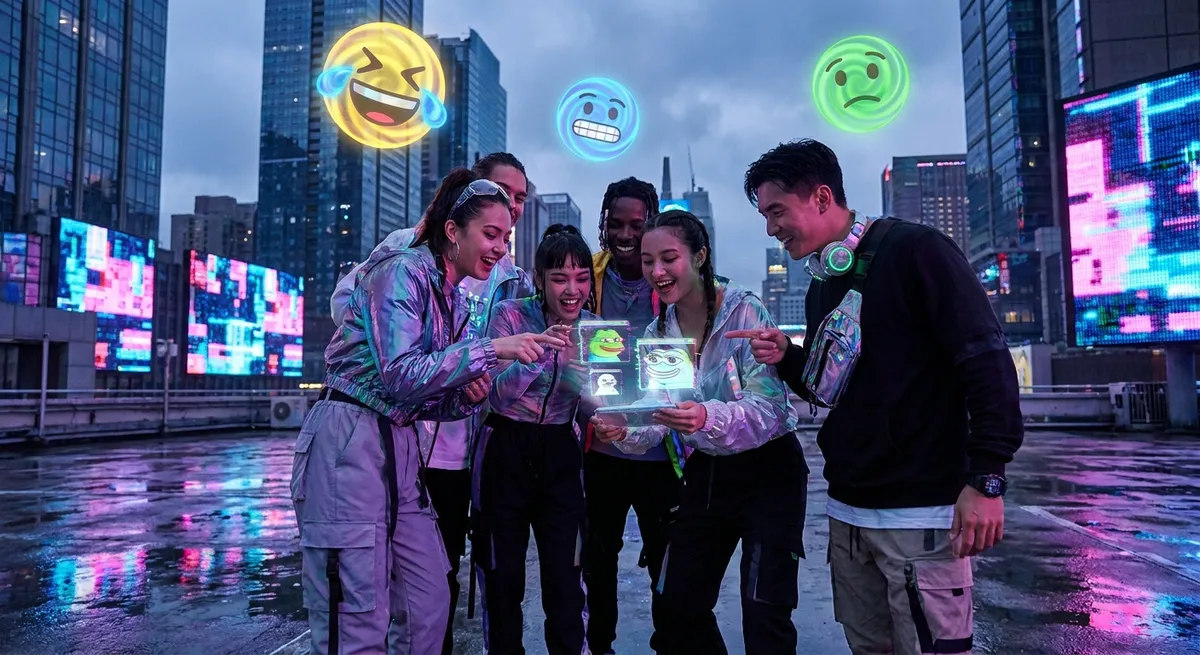
AI is remixing how we experience music, visuals, and even fictional worlds. Audio tools turn bedroom humming into full-blown tracks, while visual models let fans design alternate album covers, fictional movie posters, and “what if this was an anime?” reimaginings in minutes. TikTok is flooded with AI-generated mashups—classic vocals over new beats, genres warped into something unrecognizable but weirdly addictive.
The big twist? Artists are starting to jump in instead of just fighting it. Some musicians are releasing official stems and encouraging fans to co-create AI-assisted remixes, then reposting the best ones. Filmmakers are using AI to storyboard and pre-visualize scenes. Fashion designers are testing silhouettes in AI before they touch fabric. At the same time, industries are racing to draw legal and ethical lines around what’s allowed, what’s credited, and who gets paid.
We’re in the messy beta phase of AI pop culture: chaotic, controversial, and completely addictive to watch unfold. Whether you’re team “this is the future” or “don’t touch my faves,” the remix era is here—and it’s not subtle.
3. Core Aesthetics 2.0: Micro-Vibes for Hyper-Online Lives
We thought we’d hit peak “-core” years ago—cottagecore, dark academia, Y2K—but 2025 has taken the vibe game into overdrive.
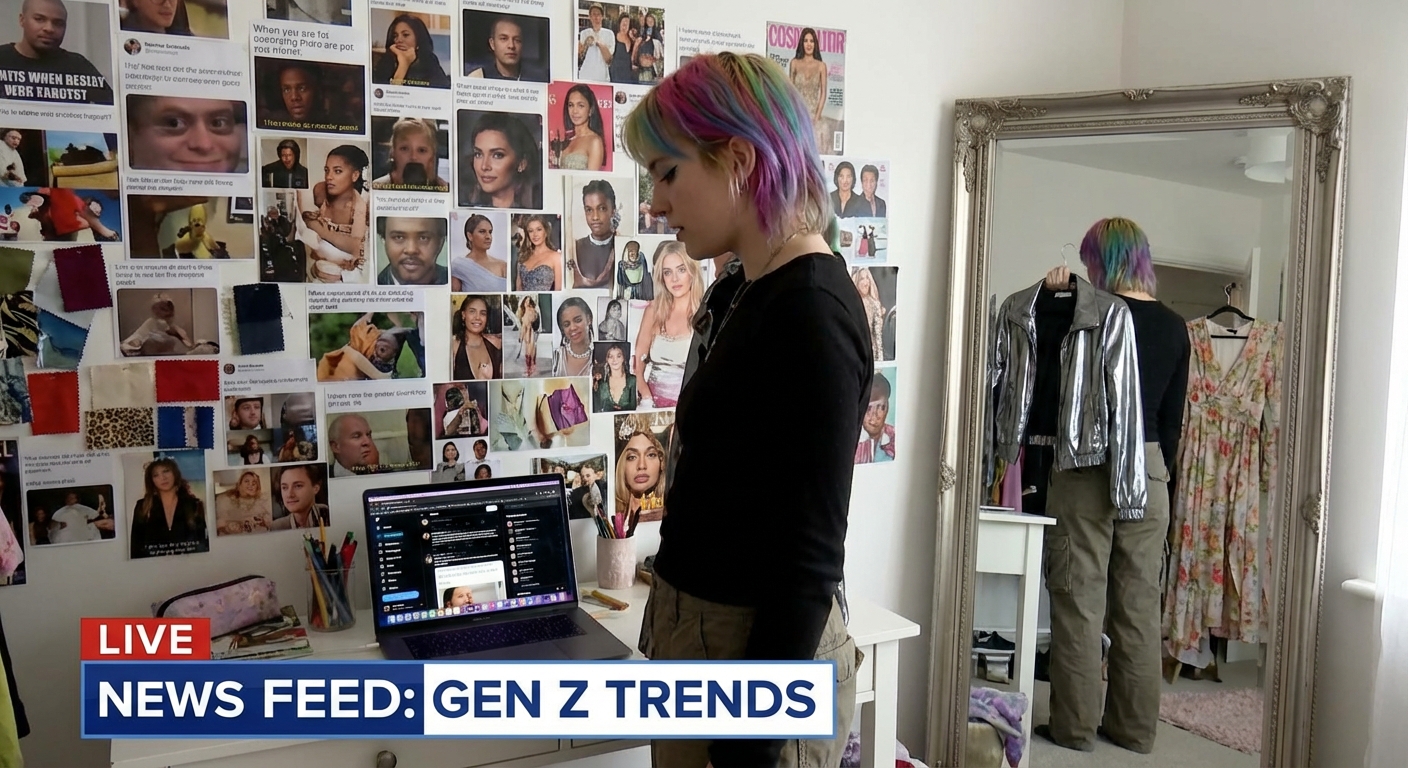
Now, micro-aesthetics define not just how you dress but how you exist online. Think “office siren” meets “mob wife,” “blokette” meets “clean fit,” or cozy gamer setups paired with high-fashion streetwear. On TikTok and Instagram, users are building entire mini-identities around playlists, moodboards, and room decor that last maybe two months… then it’s on to the next wave.
The magic of these micro-trends is how low-stakes and playful they are. You can live one vibe for a week—say, “library girl winter”—and swap into “club goblin spring” without anyone blinking. Fashion houses, fast-fashion brands, and even thrift stores are adjusting fast, using social data and short-run drops to feed these rapid-fire style shifts.
Pop culture used to move by decade; now it morphs by algorithm. Your “core” might not be permanent—but the urge to constantly remix your aesthetic definitely is.
4. The New Event TV: Live Moments That Hijack Every Feed
Thought streaming killed “watercooler TV”? 2025 said: plot twist.
We’re in a new era of must-watch live moments—concert livestreams, reality show finales, sports crossovers, surprise drops, and chaotic award show moments that are instantly meme-ified. The difference now is that you don’t just watch; you co-create the narrative in real time through livestream chats, reaction videos, and live-tweeted breakdowns.
Award shows are staging ultra-clippable performances with social media in mind, sports leagues are experimenting with alternate commentary feeds tailored to younger viewers, and some artists are premiering music videos as one-time streams before they hit platforms. In parallel, short-form recaps on TikTok and Instagram Reels are making sure even people who missed the original broadcast feel like they were “there.”
The real show isn’t just what happens on stage or screen—it’s the parallel universe of live reactions, memes, and edits that explode in the hours afterward. If something big happens and the internet doesn’t instantly turn it into a running joke, did it even happen?
5. Gaming x Everything: The Culture Crossover That Won’t Slow Down
Gaming isn’t a “subculture” anymore; it’s the backbone of half the pop culture collabs you see.
Game soundtracks are charting on streaming platforms. Streamers are treated like A‑list celebrities. Major artists are dropping exclusive in-game concerts or skins, and game worlds are becoming the new stages for virtual fashion shows. Esports tournaments fill arenas, while casual games quietly dominate commute time and screen breaks.
The crossover runs both ways. Games borrow from film storytelling, anime visuals, and pop music aesthetics. Movies and shows adapt beloved game IP with bigger budgets and better respect for the source material, aware that fanbases will torch anything that feels lazy. Meanwhile, brands are sliding their products into virtual worlds through billboards, outfits, and sponsored side quests, chasing attention where Gen Z and Gen Alpha actually are.
Pop culture used to adapt to gaming; now gaming sets the tone. When a game launches with a viral emote, dance, or sound, it doesn’t just trend—it rewires what people are doing, saying, and sharing across the entire internet.
Conclusion
Pop culture in 2025 feels less like a single story and more like a live, never-ending group project—fandoms directing the plot, algorithms shuffling the soundtrack, AI bending the visuals, and gaming turning everything into a playable experience.
If it feels overwhelming, flip the script: you’re not just a spectator; you’re part of the engine. Every comment, remix, cosplay, meme, or micro-aesthetic you test-drive nudges the culture forward.
Stay curious, stay remixing, and keep your feed tuned—because whatever goes viral next probably hasn’t even been invented yet.
Sources
- Pew Research Center – Social Media and Changing News & Entertainment Habits – Data and reports on how people use social platforms and consume digital culture
- Billboard – Charts & Industry News – Tracks how fandoms, streaming, and viral trends shape music success
- The Guardian – Technology and Culture Coverage – In-depth reporting on AI, platforms, and how they’re reshaping media and creativity
- New York Times – Games, Tech, and Pop Culture – Analysis of gaming, streaming, and internet culture crossovers
- MIT Technology Review – AI and Society – Explores the impact of AI tools on creativity, media, and cultural production