Culture Glow-Up 2025: The Viral Obsessions Rewriting What’s “Cool”
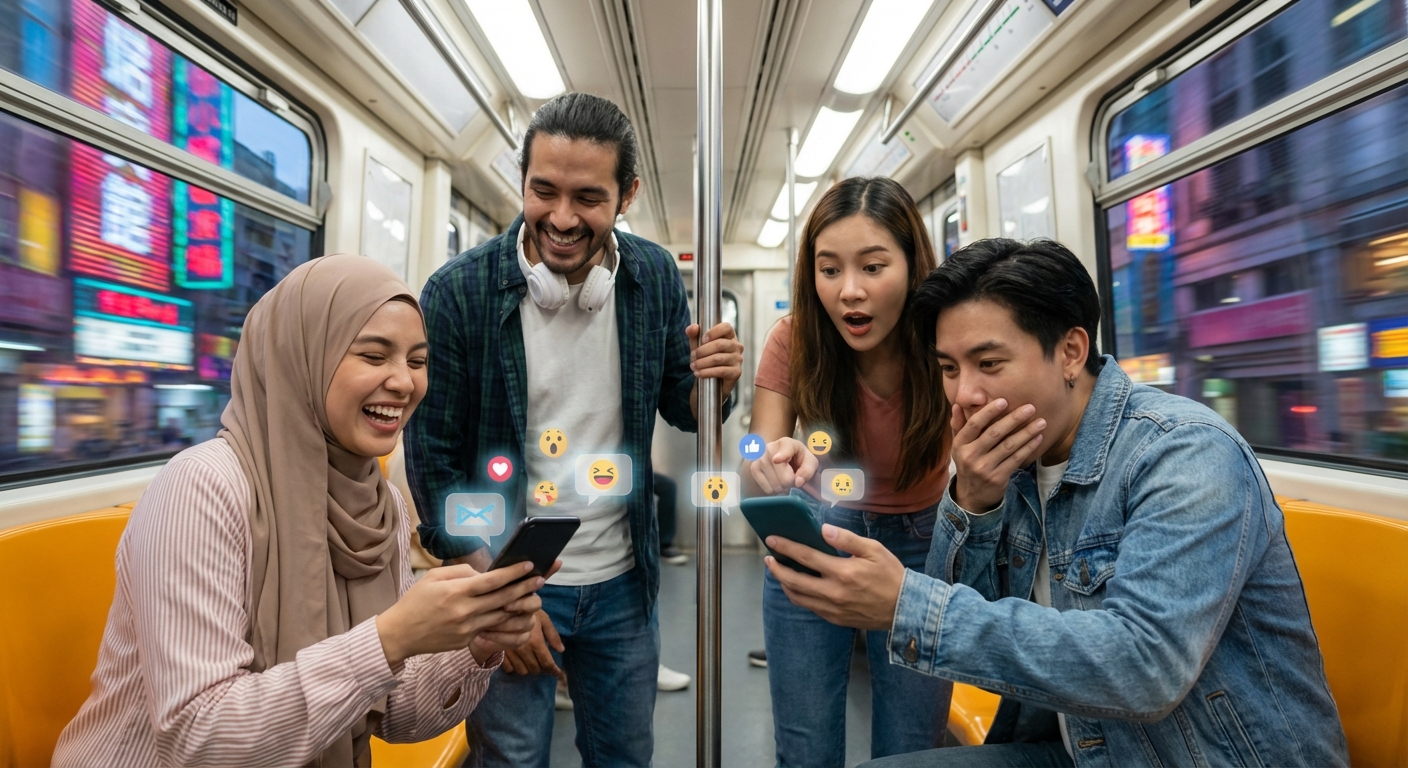
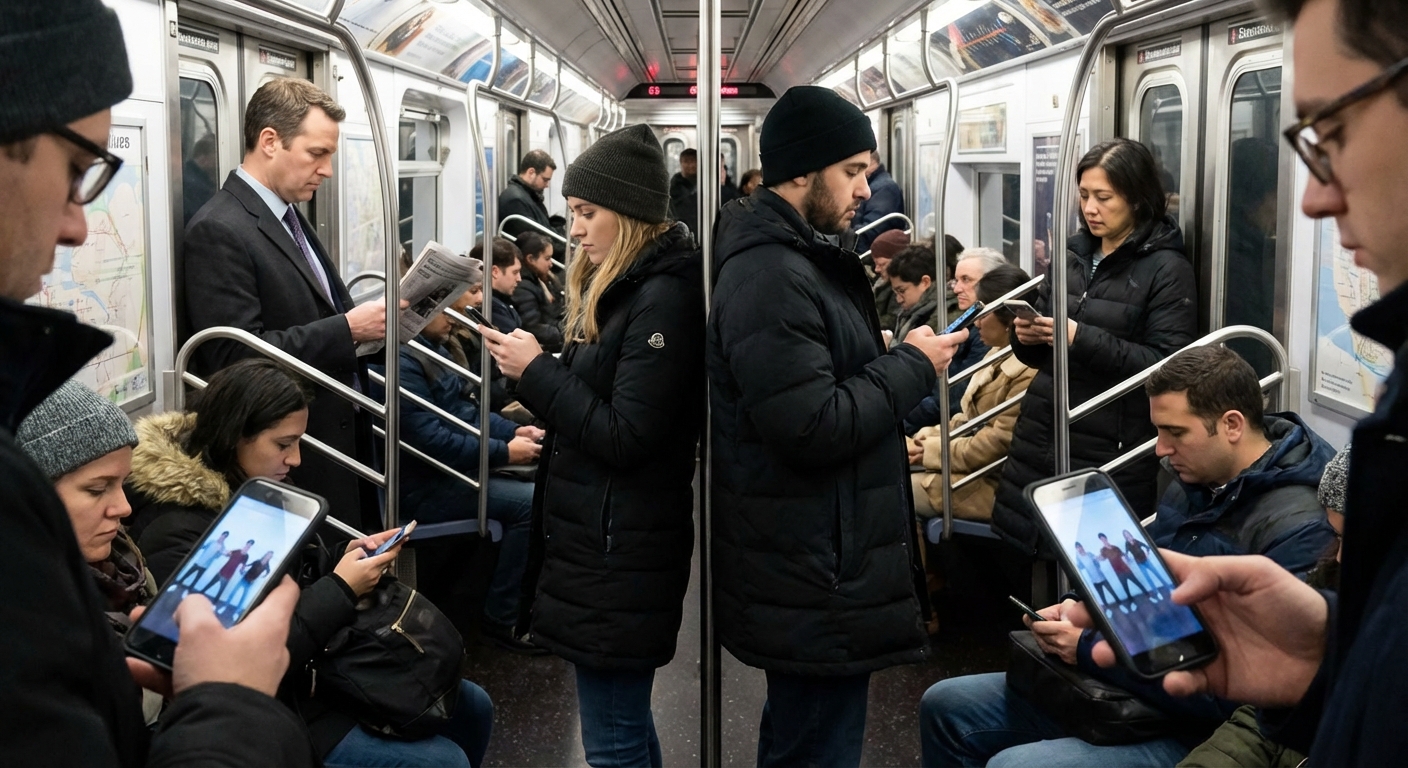
Pop culture in 2025 isn’t just something we watch – it’s something we participate in, remix, and meme into existence. From AI collabs to fandom-powered comebacks, the internet is moving so fast that yesterday’s “main character” moment is today’s forgotten reel. If you’ve felt even slightly scroll-dizzy lately, this is your reset: the standout trends actually shaping what everyone’s talking about, stitching, and screen-recording right now.
Let’s plug into the five culture waves that are defining the vibe of 2025 – and how they’re quietly rewriting the rules of fame, creativity, and what it means to be “online.”
AI-Driven Aesthetics: When Algorithms Become Your Co-Creator
The “AI filter” era has grown up. It’s no longer just funny aging filters or anime face swaps – we’re now in a world where entire aesthetics are being co-designed with AI, and that collaboration is driving real pop culture moments.
Creators are using AI tools to storyboard music videos, build surreal concert visuals, and design digital-only outfits that exist purely for content. TikTok and Instagram are flooded with hyper-stylized “AI lookbooks,” where a single selfie spins into fifty different editorial-style versions – cyberpunk, cottagecore, Y2K, and everything in between. Fans then vote, duet, and stitch their favorites, effectively turning AI style tests into community-driven trend labs.
Music is feeling the AI push too. Producers are experimenting with AI-generated stems, cover versions, and mashups, sparking heated debates about originality, ethics, and copyright. Some big-name artists are publicly drawing their boundaries, while others are embracing AI as a new instrument in their toolkit. The result: a viral tug-of-war between “purists” and “futurists” that plays out in comment sections every time a track sounds “too AI.”
What makes this moment different from earlier tech trends is that AI is now baked into the creative process itself, not just tacked on as a gimmick. The hottest aesthetic flex in 2025 isn’t just using AI – it’s being transparent, intentional, and ethical about how you use it, and letting your audience in on the process.
Fandom Economy 2.0: Stans Are Now the Studio, Label, and PR Team
Fandom has always been powerful, but 2025 is the year it turned into a full-blown economic engine in public. Fans aren’t just streaming and trending hashtags; they’re crowdfunding comebacks, reverse-engineering release schedules, and pressuring brands and studios into real action.
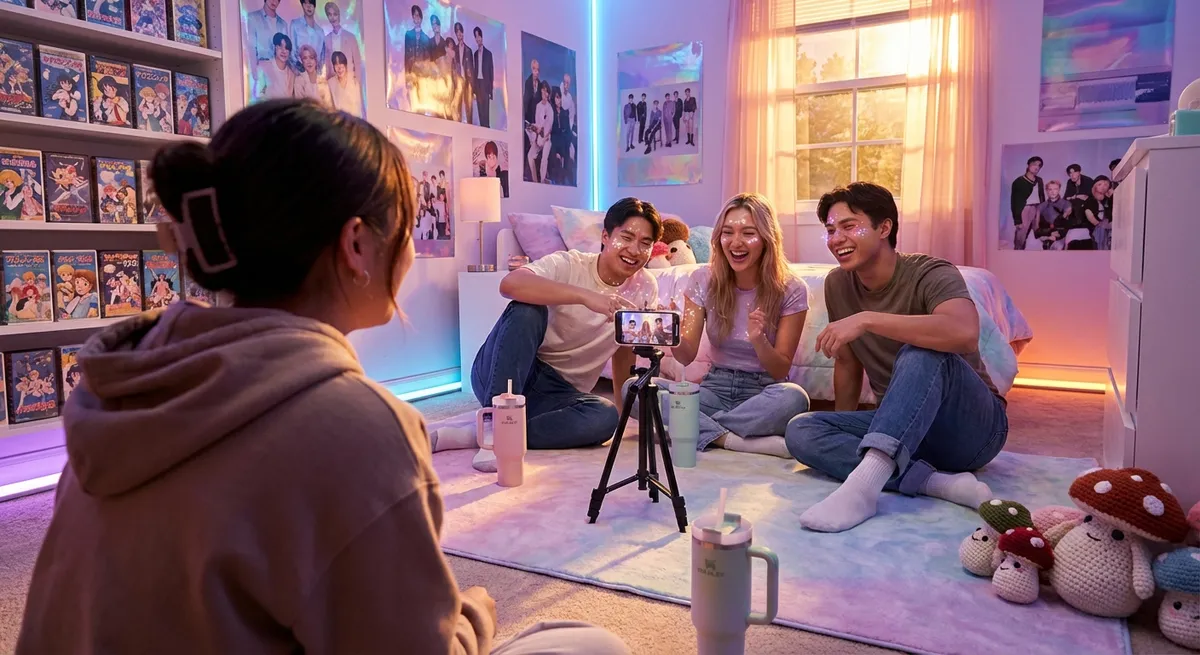
You can see it in how quickly fanbases mobilize. They’re building elaborate streaming playlists to boost chart positions, coordinating “review raids” to counter bad press, and even organizing charity campaigns tied to album drops, tour announcements, and comeback milestones. When a label under-promotes an artist, the fandom steps in with fan-made trailers, DIY promo graphics, and social campaigns that look suspiciously like professional marketing.
At the same time, the “fandom fatigue” conversation is getting louder. As stan behavior becomes more intense and analytics-driven (screenshots of Spotify stats, chart trackers, viral “we did it!” posts), more people are talking about parasocial relationships, burnout, and where support ends and obsession begins. Pop culture discourse is now split between celebrating fan power and asking: is this… healthy?
Platforms are reacting too. Some artists are creating private communities or paid tiers where fans get early access and behind-the-scenes content, effectively turning hardcore supporters into a micro-label. Others are setting boundaries, asking fans not to stalk, dox, or harass rivals in the name of “support.” Fandom in 2025 doesn’t just impact charts – it shapes how artists communicate, how stories get told, and what even counts as a “successful” era.
Nostalgia Reloaded: 2000s, 2010s, and the Comfort of “I Remember That”
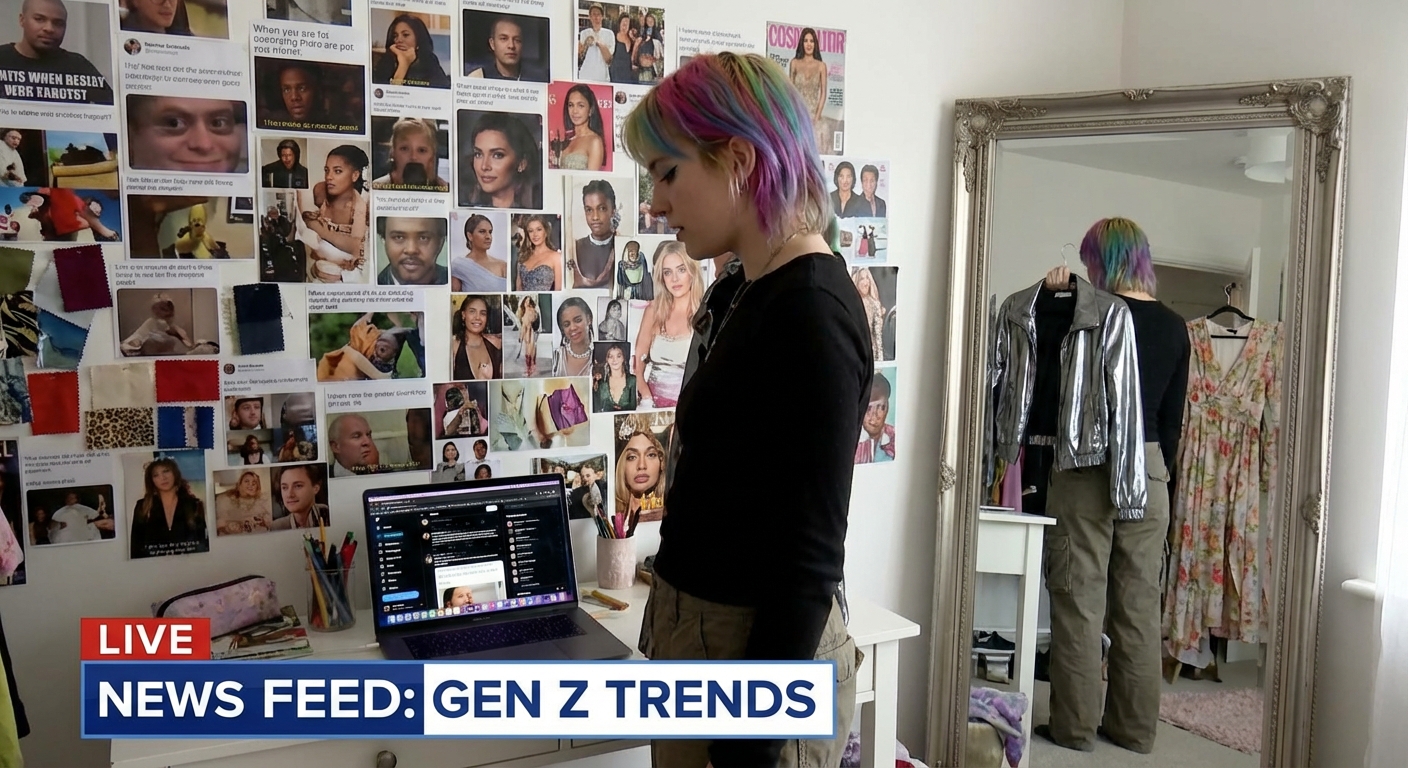
Every decade thinks it’s discovered nostalgia, but 2025 hits different because the internet has archived everything. We’re not just resurrecting aesthetics – we’re reactivating entire cultural eras in real time, with receipts, screenshots, and HD remasters to match.
Y2K and early-2010s references are layered into everything: pop-punk revivals, low-res flashes in music videos, flip phones as props, and “photo dump” posts that look like someone dug out a 2011 digital camera. Fashion is in its maximalist remix phase – logo-heavy, low-rise, chunky accessories – while TV and film are mining old IP for sequels, reboots, and spiritual successors.
But this nostalgia wave is also more self-aware. Viral edits of old award shows, reality TV chaos, and early YouTube drama don’t just glorify the past; they critique it. Comment sections become mini-history lessons about how much standards around representation, mental health, and privacy have shifted. People aren’t just saying “we were so random” – they’re unpacking what was normalized then and wouldn’t fly now.
Music is especially powered by nostalgia. Old tracks skyrocket back onto charts via TikTok trends, dance challenges, or ironic memes, pulling entire back catalogs into the spotlight. Gen Z and younger are discovering songs their older siblings grew up with, while millennials are suddenly hearing their teen anthems in brand-new edits, slowed + reverb, or mashed with current hits.
The core of it: nostalgia in 2025 feels like emotional self-soothing and collective analysis. We’re comfort-scrolling the past, but we’re also auditing it.
Micro-Scenes and Hyper-Niche Communities Go Mainstream
The biggest pop culture wave right now might not be a single viral moment, but the rise of dozens of micro-scenes quietly running the internet from the shadows of the algorithm. Instead of everyone watching the same show at the same time, we’re in a world of overlapping, deeply niche universes – and they’re finally being recognized as real culture, not fringe side quests.
From booktok subgenres and ultra-specific meme pages, to aesthetic communities built around one oddly satisfying activity (power-washing, restocking, miniature cooking), hyper-targeted content is thriving. Creators don’t need a hundred million followers; they need a few thousand deeply engaged people who treat each new post like a group chat drop.
Streaming and studios are catching on. Shows and movies that would have been labeled “too niche” a few years ago are now built to activate specific online pockets – cozy mystery fans, queer sci-fi lovers, regional subcultures, language-specific communities. When a micro-scene adopts a piece of media as “theirs,” it can sustain a project long after the mainstream conversation moves on.
The twist: people belong to multiple micro-scenes at once. Someone might be in a K-drama edit fandom, a plant-care corner, a gaming server, and a minimalist aesthetic space simultaneously. Pop culture isn’t a single timeline anymore – it’s a constellation of overlapping, semi-private worlds, with just enough crossovers to go viral when the timing is right.
Live Is Back (But It’s Hybrid Now): Concerts, Streams, and Digital “Presence”
The lockdown-era shift to streaming events didn’t vanish when in-person life came back – it evolved. In 2025, major pop culture moments are built to exist in two realities: the physical experience and the digital one.
Concerts are being designed with the camera in mind: AR moments for people holding up phones, light shows that look especially wild on vertical video, and surprise guests intended to instantly trend across social feeds. Fans who actually attend are effectively co-producing the broadcast for everyone else. Your seat becomes your content studio.
Meanwhile, more artists, gamers, and creators are leaning into live streaming as a central part of their persona. It’s not just about posting finished work; it’s about letting audiences watch the process – studio sessions, writing, rehearsals, editing, even pre-show rituals. The “I was there when it happened live” feeling has become a new kind of bragging right, different from just seeing the polished result once it drops.
Hybrid experiences are where things get really interesting. Limited-run interactive watch parties, live commentary over new episodes, synchronized global premieres, and fandom-hosted aftershows blur the line between audience and participant. People aren’t just consuming pop culture; they’re annotating it as it unfolds, stitching their reactions into the story in real time.
The result: presence has become a flex. Not just “did you see it?” but “were you there the moment it dropped?”
Conclusion
Pop culture in 2025 isn’t one big trend – it’s a constantly shifting remix of tech, fandom, nostalgia, micro-communities, and hybrid experiences. AI is changing how we make culture, fandoms are steering what gets amplified, nostalgia is giving us comfort and critique at the same time, micro-scenes are quietly running the internet, and live moments are now built to be re-lived on loop.
If you want to stay plugged in, don’t just chase the biggest headline or the most viral clip. Watch how people participate: how they co-create, organize, revisit the past, and show up live. That’s where the real cultural shift is happening – not just in what we watch, but in how we show up for it together.
Sources
- TikTok Newsroom – Trends, Culture & Community – Official updates and insights on emerging TikTok culture and creator behavior
- Billboard – How AI Is Transforming the Music Industry – Industry look at AI tools, ethics, and their effect on music creation and promotion
- Pew Research Center – Social Media and Changing News & Culture Habits – Data on how people consume content, build communities, and participate in digital culture
- The New York Times – Fandoms, Parasocial Relationships, and Online Communities – Deep dive into the evolution and power of modern fandom
- Harvard Gazette – The Psychology of Nostalgia – Explains why nostalgic content hits so hard and how it shapes our emotional lives