The Viral Attention Wars
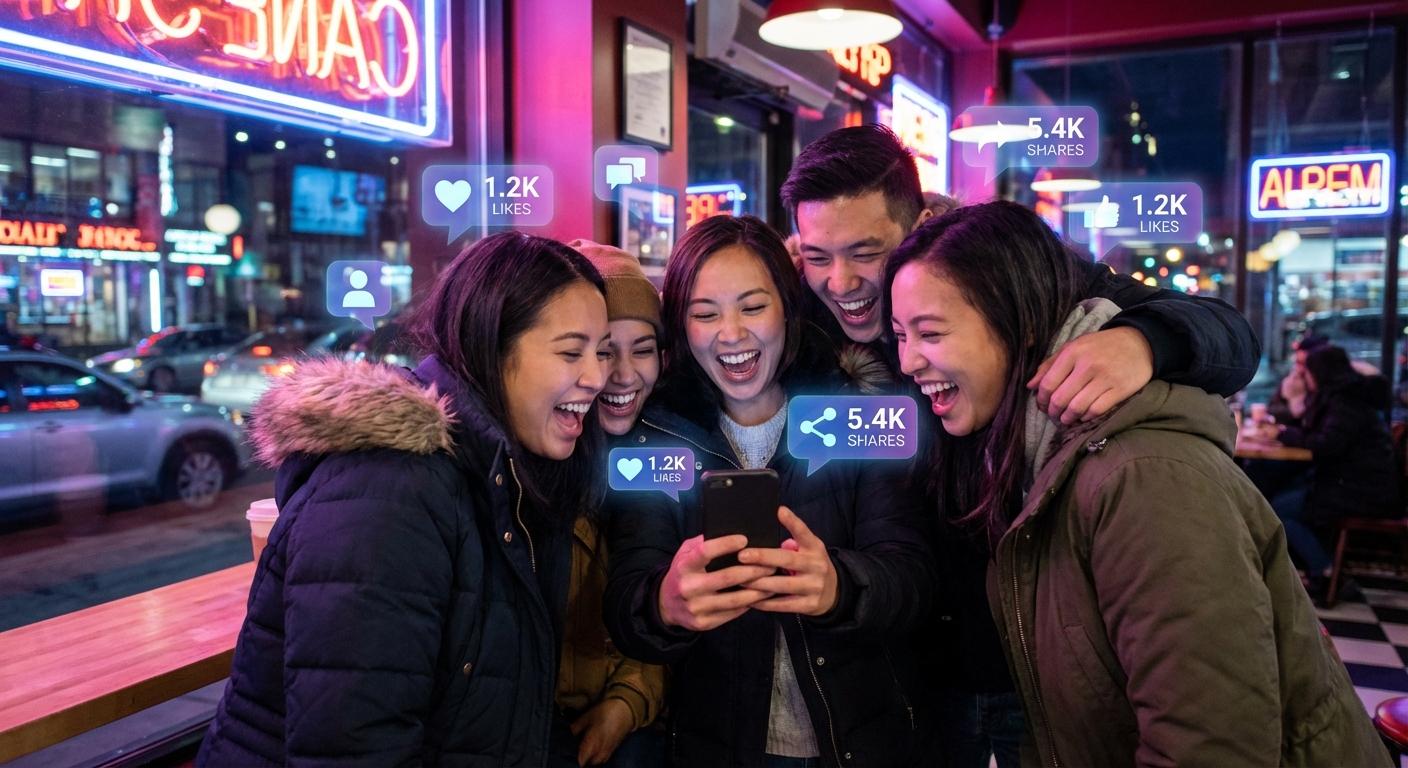
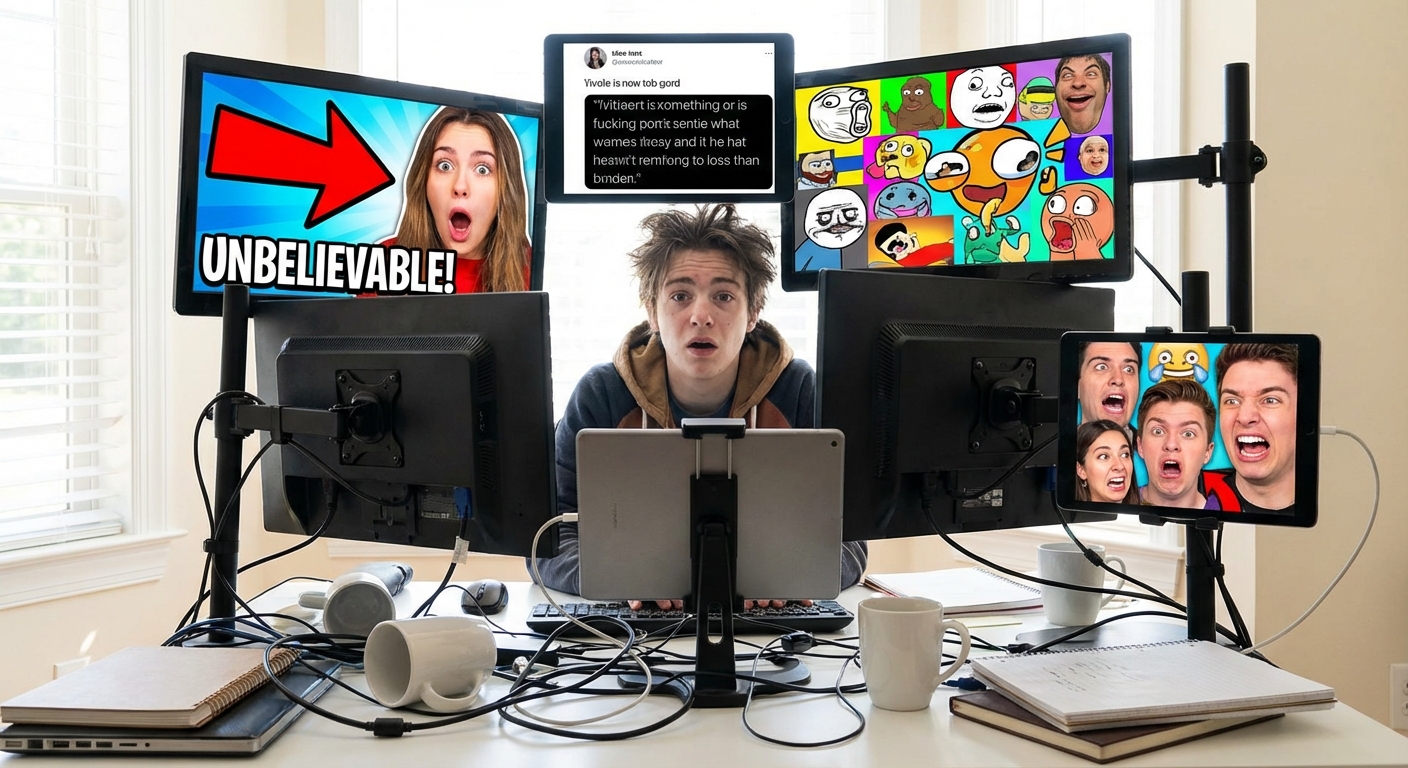
Your feed is a battlefield where wildly different content styles are fighting for the same few seconds of your attention.
On one scroll, you’re hit with chaotic storytimes. The next, a soothing restock video. Then a neon AI filter, a hyper-niche meme, and a 10-second glow-up.
They all go viral—but for totally different reasons.
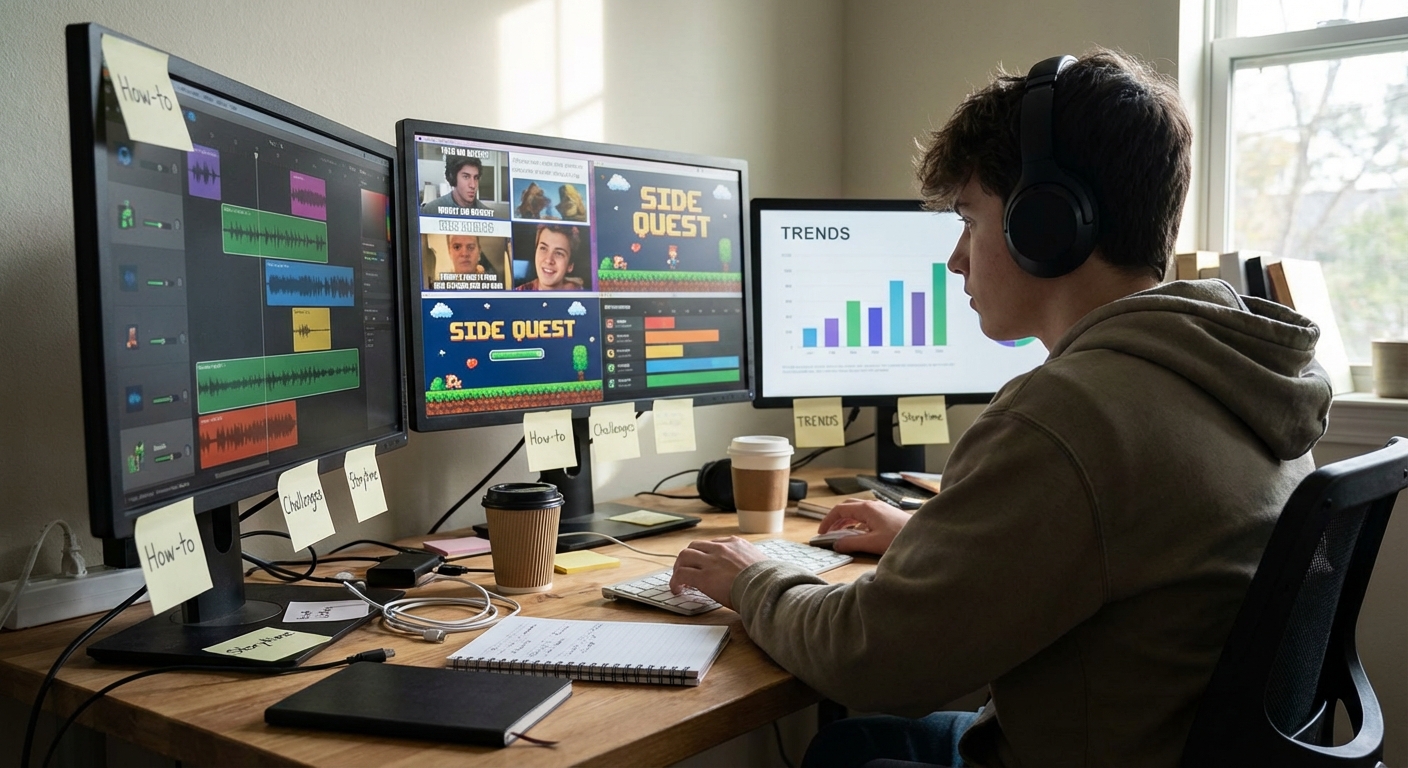
This breakdown compares five of the most powerful viral content styles right now, how they stack up against each other, and which one makes the most sense for you to create.
1. Chaos Storytime vs. Cozy Routine Vibes
These two trends sit at opposite ends of the emotional spectrum.
Chaos Storytime
What it is:Fast-paced, high-drama storytelling:
- Dating disasters
- Wild roommate sagas
- Workplace betrayals and customer horror stories
- Feels like reality TV in vertical format
- Encourages reactions, stitches, and “part 2 now” comments
- People watch until the end for the twist
- Massive reach potential
- Great for building a memorable personality
- Emotionally draining to create constantly
- Can pigeonhole you into “drama only” territory
Cozy Routine Vibes
What it is:Aesthetic, slow-paced glimpses into daily life:
- Morning and night routines
- Cleaning, organizing, and restocking
- Study/work-with-me, coffee montages, soft background music
- Feels like a mini digital escape
- Highly rewatchable and save-able
- Viewers use it as ambient focus content
- Builds calm, loyal parasocial relationships
- Ideal for subtle brand and product placement
- Growth can be slower than high-drama content
- Harder to stand out if every shot looks the same
- If you’re naturally expressive and love storytelling → Chaos storytime.
- If you’re into aesthetics, planning, or lifestyle → Cozy routine vibes.
2. AI Remix Content vs. Raw, Unfiltered Clips
As AI-powered content surges, it’s quietly clashing with the comeback of messy, real footage.
AI Remix Content
What it is:- AI-edited portraits, avatars, or scenarios
- AI-voiced skits or covers
- Stylized visuals that feel half-game, half-reality
- Feels futuristic and impressive
- Very shareable when it hits nostalgia or fandoms
- Lets people see themselves in alternate universes
- High novelty factor
- Great for visually driven niches (art, gaming, cosplay)
- Can feel impersonal if overused
- Tools change quickly, trends burn fast
Raw, Unfiltered Clips
What it is:- Shaky phone cam, in-the-moment reactions
- Ugly crying, real rants, unedited giggles
- First-take chaos instead of curated perfection
- Feels incredibly honest in a filtered world
- Triggers comments like “this is so real” and “same”
- People trust what looks unscripted
- Builds deep trust and relatability
- Easy to create, minimal tech needed
- Can be risky if you overshare
- Not ideal for every brand’s image
Both styles are viral, but raw clips are winning long-term loyalty while AI remixes spike fast views. Smart creators blend them: real stories, AI-enhanced visuals.
3. Ultra-Short Micro-Sketches vs. Longer Narrative Edits
TikTok and Reels are full of both 6-second jokes and 90-second mini movies.
Micro-Sketches
What it is:- 8–20 second comedy bits
- One joke, one situation, instant payoff
- Often built around a single line or reaction
- Perfect for impatient scrollers
- Easy to rewatch and share
- Feels like a punchline without setup
- High watch completion rates
- Great for testing lots of ideas quickly
- Harder to develop deeper narratives or character arcs
- Viewers might not remember you after one joke
Longer Narrative Edits
What it is:- 45–180 second stories, docu-style edits, or vlogs
- More context, more emotion, more pay-off
- Often combining multiple clips from a whole day or event
- Feels like mini episodes
- Stronger emotional attachment to the creator
- Better for arcs like glow-ups, challenges, and journeys
- Builds real fans, not just viewers
- Perfect for storytelling niches and education
- Harder to hook people in the first 2 seconds
- Takes more editing time and planning
- New creators: lead with micro-sketches to find what sticks.
- Growing creators: invest in longer edits to deepen connection.
4. Niche “Insider” Trends vs. Broad Relatable Trends
These two are constantly battling in the algorithm.
Niche “Insider” Trends
What it is:- Memes only your job, fandom, or hobby community understands
- Jokes about specific apps, shows, or subcultures
- Hyper-niche POVs (e.g., “POV: you’re on call in a hospital on a Sunday”)
- Feels like an inside joke
- Viewers tag their entire friend group or co-workers
- Insanely high engagement within that niche
- Great for building authority and focused audiences
- Limited reach outside the bubble
- Might confuse casual viewers
Broad Relatable Trends
What it is:- Sleep, stress, money, scrolling, texting, dating—it hits everyone
- General POVs, universal memes
- No context needed
- Works across different regions and demographics
- Huge reach potential
- Good for follower growth and virality
- Harder to stand out from similar content
- Less loyalty if you don’t niche down eventually
Use broad trends to bring people in and insider trends to keep the right people around.
5. Personal Glow-Ups vs. Project Glow-Ups
Glow-up content is everywhere—but the focus is shifting.
Personal Glow-Ups
What it is:- Physical transformations: style, hair, skincare, fitness
- Confidence or mental health journeys
- “This was me last year vs. now” edits
- Aspirational energy
- Inspires comments like “I needed this today”
- Strong emotional pull
- Powerful hero narrative around you
- Can feel vulnerable to sustain
- Sometimes misread as bragging if not framed carefully
Project Glow-Ups
What it is:- Room, desk, or studio makeovers
- Skill progressions (art, music, editing, cooking)
- Business or side hustle growth breakdowns
- Viewers project themselves into the storyline
- Inspires them to start their own projects
- Easier to detach your self-worth from views
- Great for evergreen tutorials and case studies
- Requires consistency over time
- Needs you to remember to document from the beginning
- If you’re comfortable being the face of the story → Personal glow-ups.
- If you like building or crafting things → Project glow-ups.
So… Which Viral Style Should You Bet On?
Here’s a simple way to choose your lane:
- If you crave fast, dramatic spikes
→ Lean into chaos storytime, AI remixes, micro-sketches, and broad trends.
- If you want slow-burn, long-term fandom
→ Prioritize cozy routines, raw clips, longer edits, niche jokes, and project glow-ups.
- If you’re somewhere in the middle
→ Mix one “fast” trend style with one “deep” trend style each week.
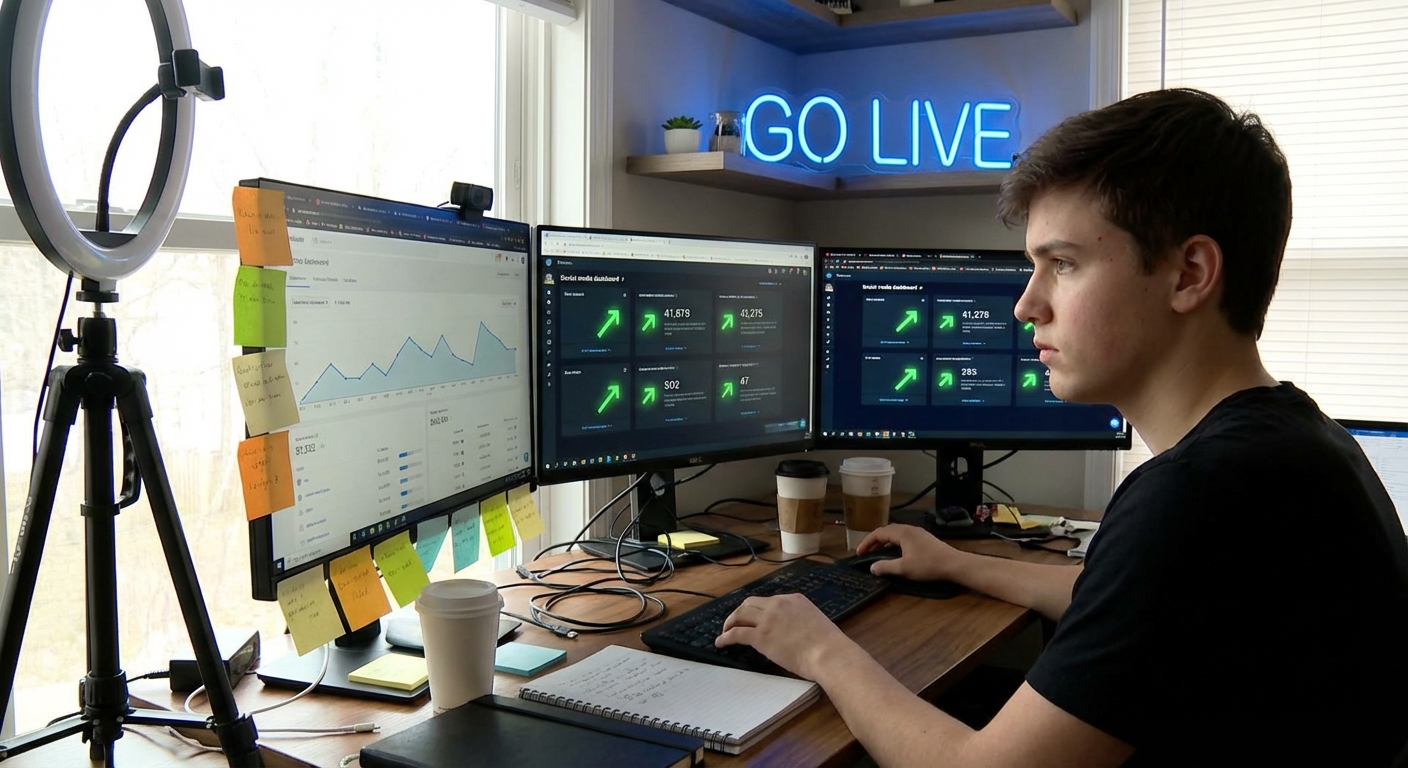
The Real Trend: Intentional Attention
The most exciting creators aren’t chasing every viral moment—they’re choosing what kind of attention they want and building around that.
Drama, calm, polish, chaos, AI magic, or raw reality—every style can go viral. The question is: which one feels like a version of you that you can actually sustain?
Once you answer that, the algorithm stops feeling like a slot machine and starts feeling like a tool.
And that’s when trends stop using you—and you start using them.