Timeline Takeover: The Viral Waves Rewriting 2025’s Internet
The internet is in full chaos mode right now—in the best way possible. Algorithms are confused, brands are scrambling to keep up, and users are basically running the culture. From AI-generated everything to “blink and it’s gone” micro-memes, 2025’s viral trends aren’t just funny moments; they’re shaping how we talk, work, date, shop, and even protest.
If your feed feels different lately, it’s not just you. Here’s what’s actually driving the new wave of viral energy online—and why everyone’s suddenly obsessed.
AI-Generated Everything: The Era of Remix Reality
We’ve officially entered the “Did a human make this?” era—and no one’s hitting pause. AI isn’t just a nerdy tool anymore; it’s a full-blown creative collaborator driving half the content on your For You Page.
Short-form AI videos are exploding: people are building imaginary travel vlogs to places they’ve never been, turning selfies into cinematic movie posters, and using AI voice filters to duet songs they could never actually sing. Music is getting the biggest shake-up—AI-mixed tracks, mashups of artists who’ve never worked together, and fan-made “unreleased” songs are going viral faster than labels can issue takedowns.
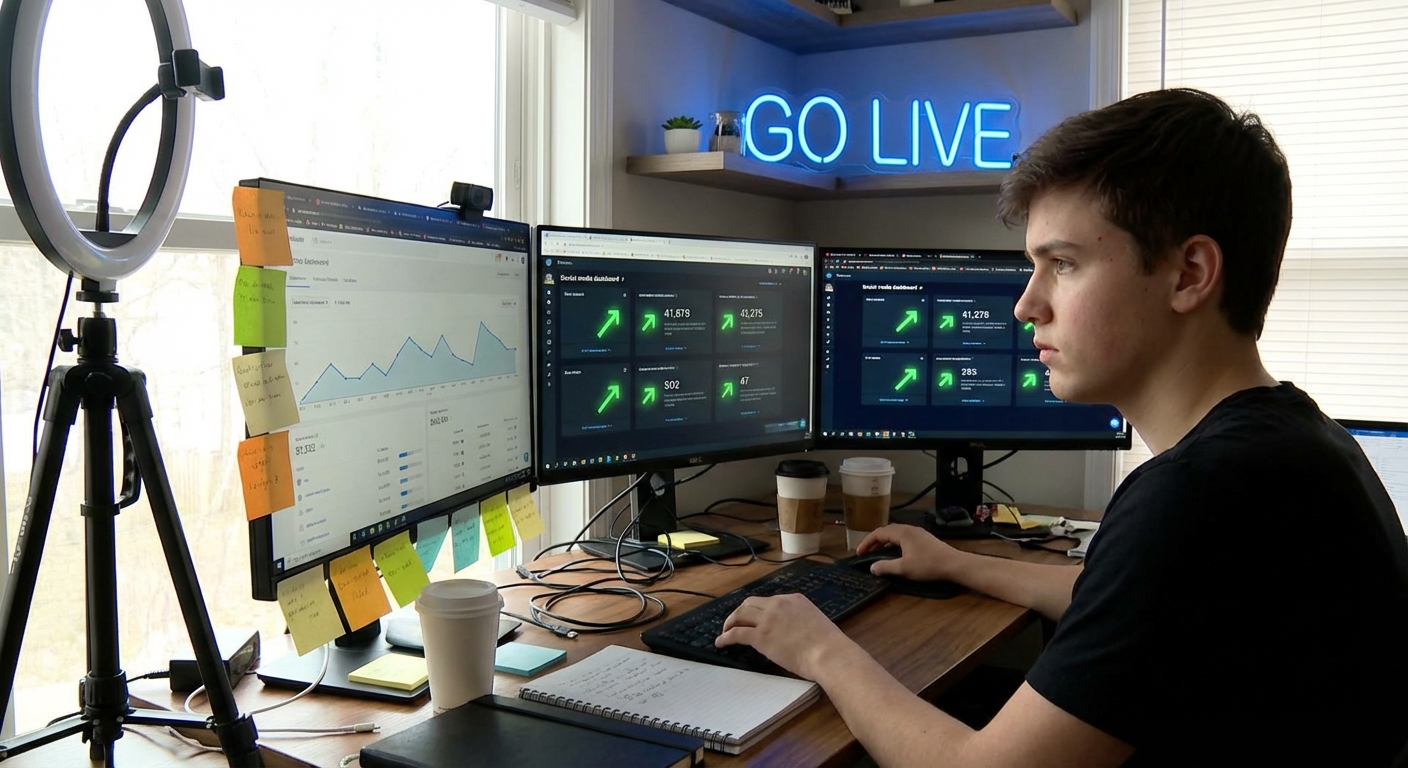
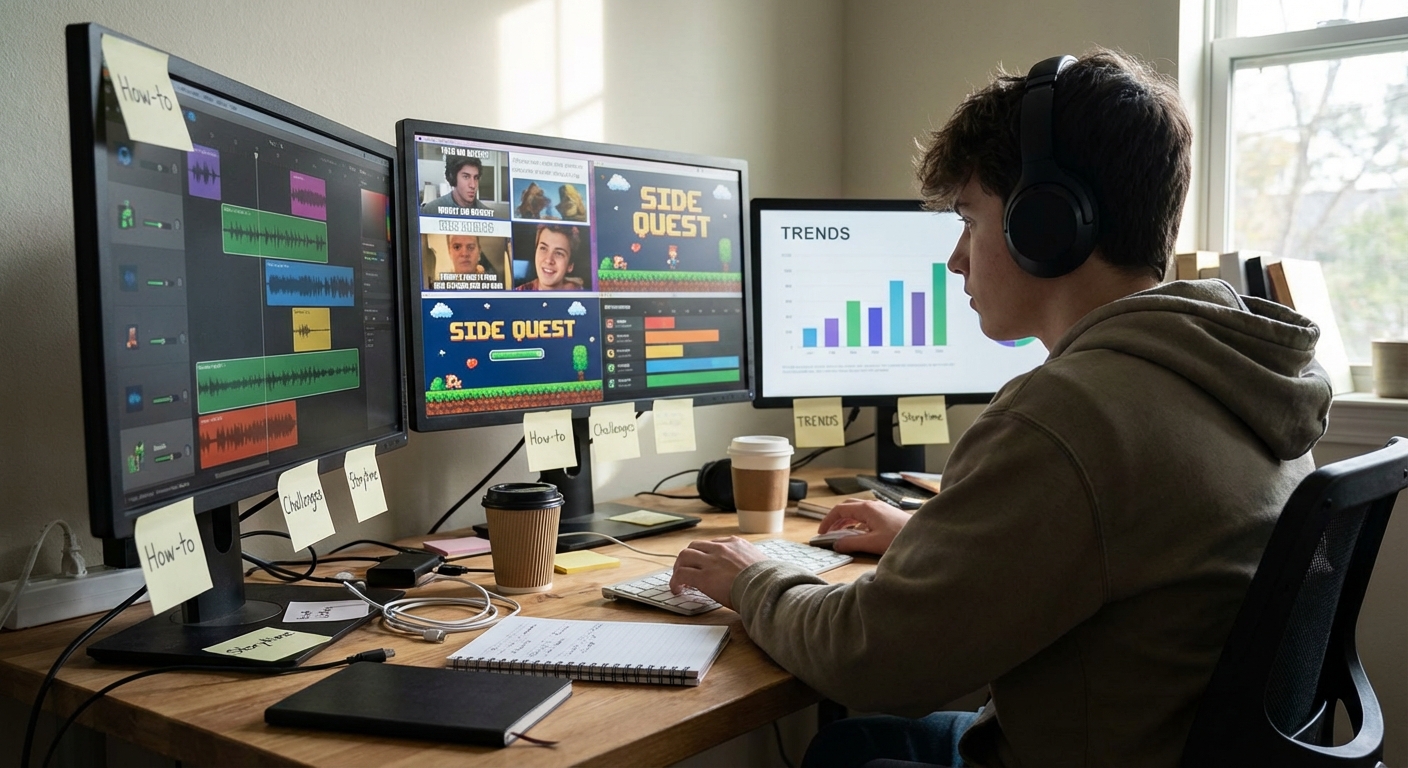
At the same time, creators are getting more transparent: behind-the-scenes breakdowns of “Here’s how I made this in 5 minutes with AI” are pulling huge numbers. The flex isn’t just the final product—it’s knowing the exact combo of tools, prompts, and hacks.
The big twist: audiences now expect a blend of real + unreal. Viral content in 2025 often looks hyper-polished but was made in a bedroom on a laptop with free or cheap tools. The bar for creativity has never been higher, but the barrier to entry has never been lower.
Micro-Memes: Blink, Laugh, Disappear
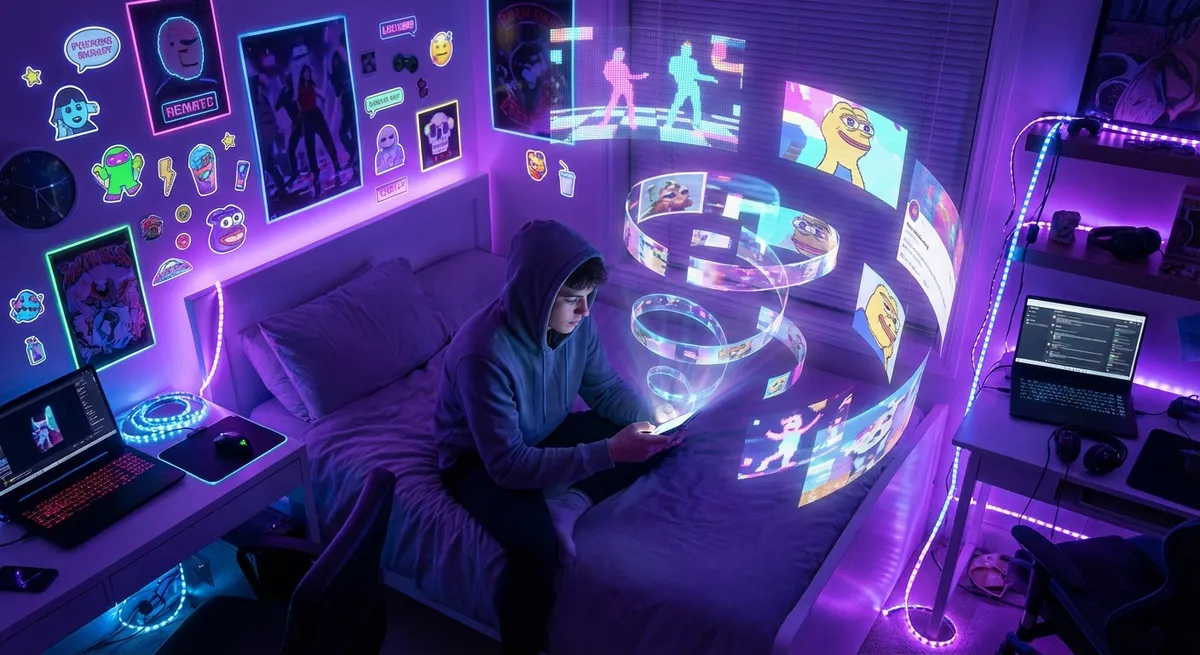
The meme lifecycle used to be weeks. Now? Hours. Welcome to the age of micro-memes—hyper-specific, ultra-short-lived content that explodes inside niche corners of the internet before the rest of the web even realizes something happened.
These aren’t your classic “template memes” that last a month. Think: one oddly-cut reaction frame, a two-second audio pull from a random interview, or a screenshot of a DM glitch that perfectly captures a feeling—and suddenly every subculture is remixing it for their own in-jokes.
What makes micro-memes so addictive is their speed and specificity. A joke hits harder when it feels like only your little corner of the internet truly “gets it.” Gaming communities, stan fandoms, language-specific TikTok, and Discord servers are often incubators; a meme might go mega-viral in one ecosystem and barely exist anywhere else.
It’s a new kind of clout: being early to a micro-meme is social currency. People are sharing screen recordings in group chats, posting “explain this meme” threads, and creating mini-archives so future you can remember what on earth everyone was laughing at last week.
Hyper-Local Viral: Neighborhoods Are the New Main Character
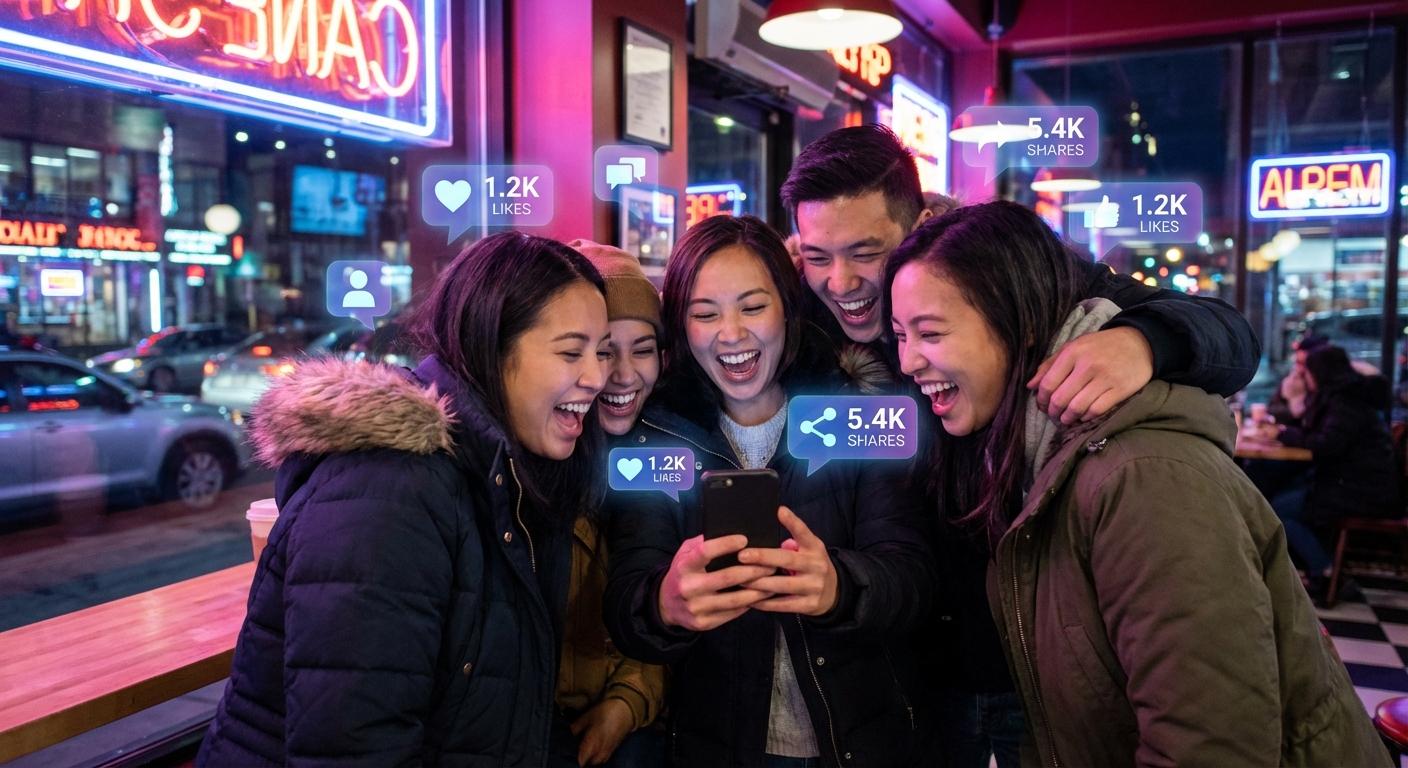
Another big shift: viral isn’t just global anymore—it’s weirdly local. We’re in the era of “hyper-local internet fame,” where a single coffee shop, street corner, or random guy from your city becomes the main character for a few days.
City-specific TikToks and Reels—like “rate my subway line,” “this week in my small town drama,” or “POV: you live in [insert oddly specific neighborhood]”—are pulling huge engagement. Local creators are mapping out unspoken rules of their city, exposing hidden food spots, and turning mundane commutes into viral storytimes.
Offline businesses are catching on. Some restaurants literally redesign their interiors or plating just to be more “clip-able.” Others accidentally go viral because a creator films a chaotic interaction, an oddly nice gesture, or a hilariously bad sign—and suddenly there’s a line out the door.
This hyper-local virality makes the internet feel smaller in a good way. Instead of just watching L.A. or NYC content on loop, people are searching their own city names, trying to spot familiar places, and even traveling to other “viral locations” just to recreate the moment.
Reality Reboot: Longform Storytimes and Digital Confessions
While attention spans are short, patience for a good story is weirdly high. Longform storytimes and multi-part confession videos are one of the hottest viral formats right now.
Creators are dropping episodic sagas: messy roommate drama, quitting-toxic-job arcs, dating disasters, shady landlord chronicles, creator callouts, and full-on “you won’t believe what my neighbor did” series. Viewers get hooked like it’s prestige TV—commenting predictions, timestamps, and “I’m only here for part 7” reactions.
There’s also a rise of anonymous or semi-anonymous confessions: people narrating wild true stories over Minecraft parkour, Subway Surfers, or oddly satisfying visuals. The contrast between chaotic storytelling and soothing background footage is exactly what keeps people glued.
This trend hits because it feels intimate but still watchable at scale. It blurs the line between vlogging, podcasting, and reality TV—except now the audience can stitch, duet, fact-check, and even add their own POV. The result: viral storylines that live across multiple accounts and platforms, with viewers acting like an investigative fandom.
Activism That Feels Shareable, Not Preachy
Social movements aren’t new to the internet, but the way activism goes viral in 2025 looks different. Instead of purely serious, heavy posts, creators are packaging real issues in formats that fit seamlessly into the feed: quick breakdowns, green-screen explainers, stitched fact-checks, and POV skits that make complex topics feel accessible.
We’re seeing creators turn trending audios into political commentary, use meme formats to call out corporate behavior, and organize real-world action—boycotts, fundraisers, email campaigns—through simple, shareable templates. Infographics have evolved into visually clean, TikTok-native “explain this in 30 seconds” style posts.
The key shift: audiences are more suspicious of performative activism and “aesthetic outrage.” Viral impact now comes from specificity—clear info, receipts, links—plus follow-up. People want updates, not just a one-off viral rant that disappears in the algorithm.
This kind of activism spreads because it fits how people already scroll: fast, visual, emotional, but anchored in something concrete enough to act on. In between memes and AI remixes, the feed has become a constant mix of entertainment and civic education.
Conclusion
2025’s viral internet feels like a remix machine running at 2x speed. AI is blurring the line between real and unreal, micro-memes are living and dying in a single afternoon, your local street corner might be tomorrow’s main character, random strangers are your new favorite storytellers, and world events are being processed through stitched videos and green-screen breakdowns.
If there’s one rule of the new era, it’s this: participation beats perfection. The people shaping the culture aren’t waiting for studios, big budgets, or polished branding—they’re experimenting in public and letting the algorithm decide what sticks.
So if you’re feeling the itch to post something weird, specific, or wildly honest: do it. In this version of the internet, that’s exactly the kind of thing that goes viral.
Sources
- Pew Research Center – Social Media and News Fact Sheet - Data on how people are using social platforms and consuming viral content
- MIT Technology Review – How AI-Generated Media Is Reshaping the Internet - Explores the rise and impact of AI-generated content online
- BBC Future – The Fast Life Cycle of Internet Memes - Looks at why memes catch on and burn out so quickly
- Harvard Kennedy School Misinformation Review – Viral Activism in the Age of Social Media - Analyzes how digital activism spreads and mobilizes people
- NYTimes – TikTok and the Rise of Hyper-Local Fame - Reports on how local creators and places are suddenly becoming viral sensations