Feed Frenzy: The Viral Internet Shifts Everyone’s Suddenly Talking About
The internet is in one of its chaotic eras again—and it is glorious. Every swipe, scroll, and refresh feels like stepping into a new universe of jokes, aesthetics, AI weirdness, and blink‑and‑you-miss-it trends. If your group chat keeps dropping references you don’t get, or your FYP feels like it changed personalities overnight, you’re not imagining it.
Let’s break down the latest viral currents actually shaping your feed right now—what they are, why they blew up, and how to ride the wave without feeling like you’re three memes behind.
The “Core” Overload: Hyper-Specific Aesthetics Take Over
Cottagecore walked so the current wave of “-core” chaos could sprint.
Every week, a new hyper-specific “core” hits the timeline: fraudcore (high-gloss scammer aesthetic), mob wife (thick liner, fur coats, loud luxury), office siren (retro 2000s corporate glam), and micro-aesthetics so niche they feel like inside jokes with the algorithm. TikTok and Instagram are driving this, turning personal style into mini-movies where your outfit, playlist, coffee order, and apartment decor all obey the same vibe.
What’s new now is how fast these aesthetics mutate. One creator posts a vibe-heavy montage with a catchy caption like “this is so ___core,” it racks up millions of views, and suddenly everyone’s renaming their entire personality in 24 hours. Brands are chasing this hard too—dropping “core” collabs, mood boards, and campaigns to slot themselves into the aesthetic of the week.
If you want in without losing your identity, steal the mood, not the whole script: use the aesthetic as a filter, not a rulebook. Take the parts that feel fun and remix them with what you already wear, watch, and listen to. Viral aesthetics should be a playground, not a personality replacement.
AI Remix Culture: When the Algorithm Becomes the Artist
AI isn’t just a buzzword in tech blogs anymore—it’s fully embedded in meme culture, music, and even how we joke online.
Feeds are stacked with:
- AI-generated song covers (your fave singer doing tracks they never recorded),
- Surreal “what if” movie trailers (Barbie as a horror film, Pixar versions of your friend group),
- Hyper-realistic fake photos that look like they dropped straight from an alternate universe.
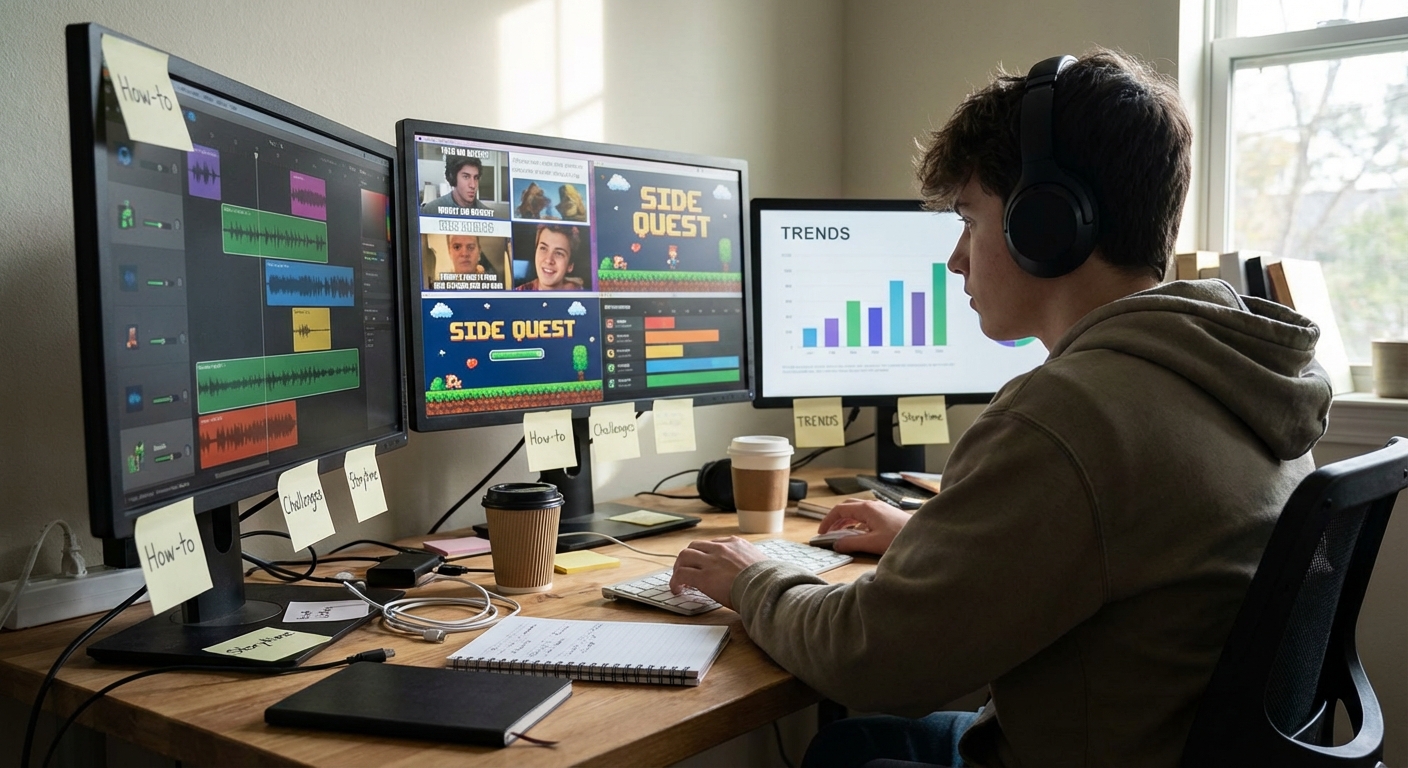
What’s made this go viral is how accessible it’s become. You don’t need coding skills—just a prompt and an idea. Creators are using AI as a co-pilot: scripting storytime animations, mocking up outfits, designing fake album covers, and even testing content ideas before shooting them.
But the flip side is real: AI-made content can blur what’s true and what’s edited to oblivion. Platforms are scrambling to flag AI-generated content, while artists raise questions about consent and copyright as their styles get mimicked by machines.
If you’re playing in this space, treat AI like a tool, not a truth machine. Use it to experiment, storyboard, or meme—but stay transparent when something’s AI-made, and double-check anything that looks too wild to be real.
Comfort-Scroll Content: Slow, Soft and Weirdly Addictive
While one corner of the internet is loud and chaotic, another corner is whispering, “Shhh, just watch this person cut soap for 90 seconds.”
Comfort-scroll content has exploded: oddly satisfying videos, restocking fridges in perfect ASMR silence, long-form cleaning transformations, cozy study-with-me streams, and low-drama vlogs where nothing “major” happens—but you can’t look away. It’s the antidote to doomscroll burnout.
Why it’s gone viral now:
- People are fried from nonstop bad news, hot takes, and outrage.
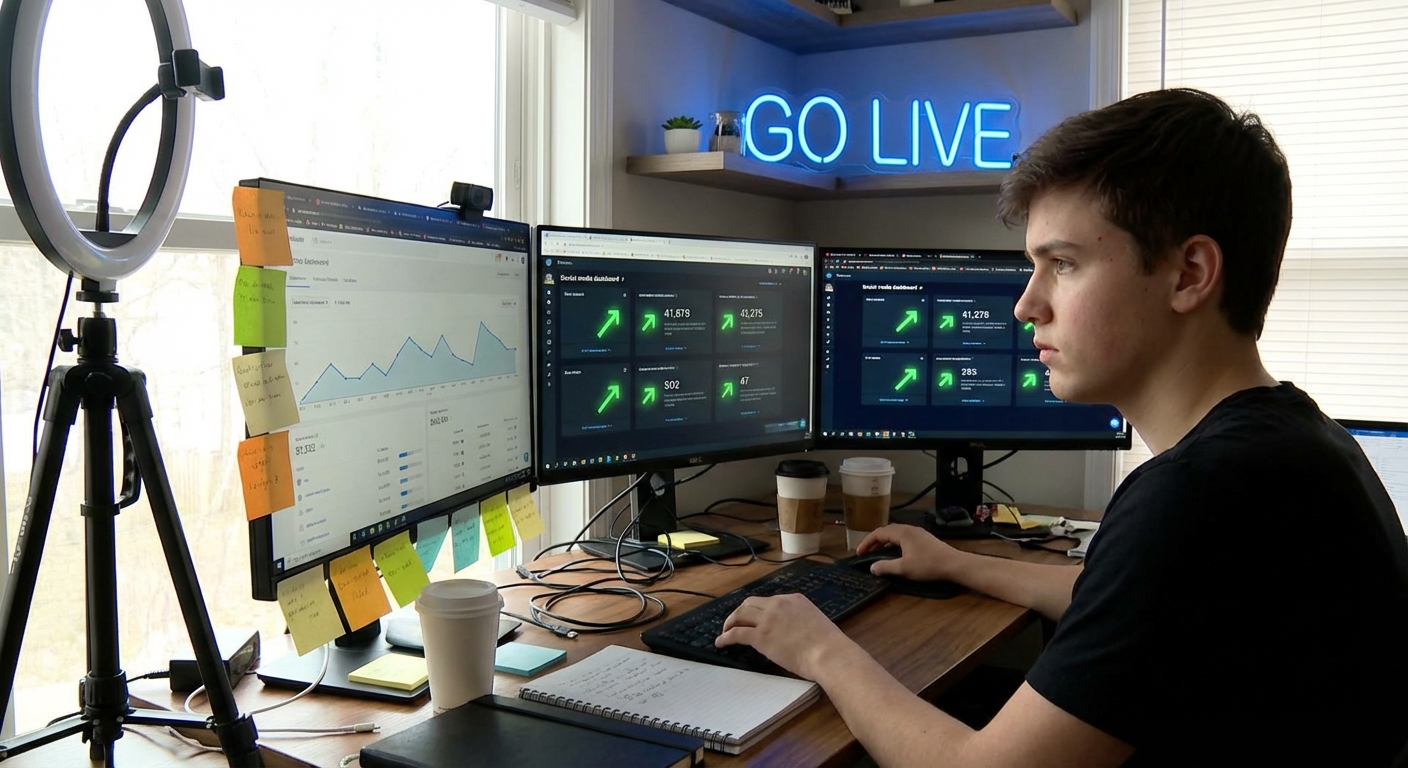
- Algorithms reward watch time, and calm content is easy to let play in the background.
- Creators are getting hyper-intentional about vibe: soft lighting, calming sound design, minimal chaos.
The aesthetic is less “look at my perfect life” and more “come sit with me while I figure it out.” It sits somewhere between self-care and digital white noise.
If your brain’s been feeling overcaffeinated by your feed, this corner of the internet is your reset button. Sub to one or two creators whose stuff you’d fall asleep to—that’s now a feature, not a bug.
Hyper-Local Virality: When Your Neighborhood Becomes the Main Character
Not every viral moment is global; a lot of the most chaotic fun lately is hyper-local.
You’ve probably seen it:
- A random local restaurant goes viral for a single unhinged menu item.
- A city-specific inside joke turns into a sound everyone in that region uses.
- One person’s complaint about a landlord, bus route, or niche policy snowballs into a full-blown local movement.
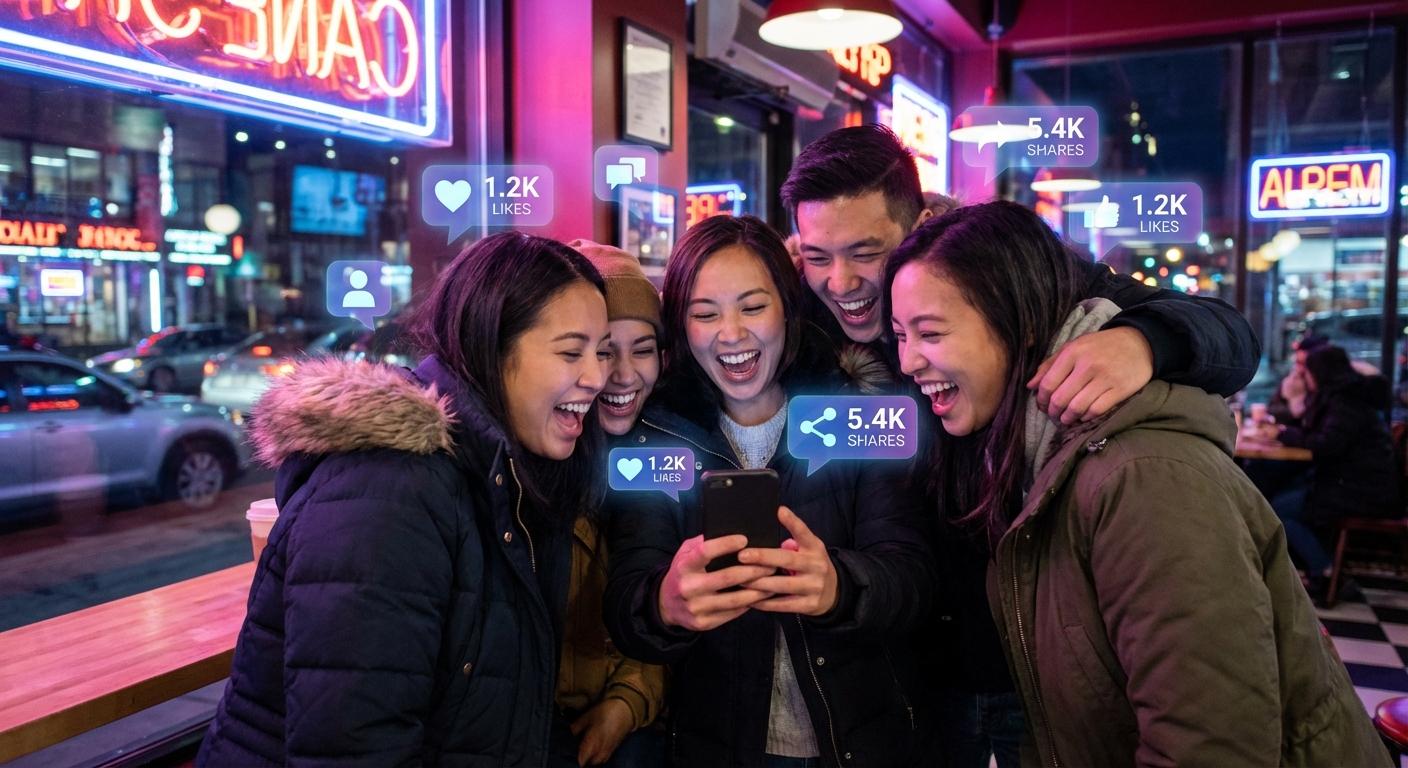
Platforms like TikTok and Instagram Reels are quietly boosting this with geo-based recommendations, so people in the same area are more likely to see the same clips. The result: your city, subway line, or high school can feel like it has its own private meme economy.
This can be powerful. Local businesses are selling out overnight after a single rave review. At the same time, local controversies can trend faster than they can be fact-checked, putting regular people into the spotlight they weren’t ready for.
If you’re jumping into local virality, remember: your “little rant” might not stay little. Protect your privacy, blur identifying details when needed, and be prepared that the internet might actually show up at that place you just hyped—or dragged.
Participation-First Trends: It’s Not Viral Unless You Can Join In
The biggest viral hits right now share one thing: they’re built for participation, not just passive watching.
Think:
- Audio clips that beg to be lip-synced or stitched with your spin.
- Transitions that are simple enough to recreate but slick enough to feel impressive.
- Prompts like “tell me you’re from X city without telling me you’re from X city,” or “show us the moment your life shifted.”
The magic isn’t in the original video—it’s in the avalanche of responses. The algorithm loves this: every remix, stitch, duet, and re-use of a sound is a signal to boost it further. Users love it because it turns the whole internet into one giant group project.
Even brands are shifting from polished ads to “join the bit” content: posting their own versions of the trend, reacting to duets, or leaving highly quotable comments that get screenshot and shared across platforms.
If you want to surf this wave:
- Jump on trends early, but twist them to fit your real life or niche.
- Don’t chase perfection—low-key, relatable attempts often perform better than overproduced ones.
- Use the sounds and formats your audience is already playing with and add a POV only you can offer.
Participation, not perfection, is the new viral flex.
Conclusion
The internet’s current era is all about remix energy: aesthetics you can copy-paste, AI you can co-create with, cozy content you can zone out to, local stories you can rally around, and trends you can jump into instantly.
You don’t have to chase everything to stay plugged in. Pick your lane:
- Aesthetic explorer,
- AI experimenter,
- Cozy-scroll enjoyer,
- Local main-character,
- Trend remixer.
The point isn’t to keep up with every micro-trend—it’s to find the corners of virality that actually make your feed feel fun, not exhausting. Because the wildest trend of all might be this: curating your own chaos instead of letting the algorithm do it for you.
Sources
- TikTok Newsroom – How TikTok Recommends Videos – Explains how the “For You” algorithm boosts trends, sounds, and local content
- Pew Research Center – Teens, Social Media and Technology 2023 – Data on how young users engage with short-form, viral platforms
- MIT Technology Review – Generative AI Is Changing Creative Work – Overview of how AI tools are reshaping online creativity and culture
- The New York Times – How TikTok Became a Shop Window for Small Businesses – Real examples of local and small businesses going viral via short-form video
- BBC – ‘Oddly Satisfying’ Videos: Why We Can’t Stop Watching – Breaks down the psychology behind soothing, satisfying content going viral